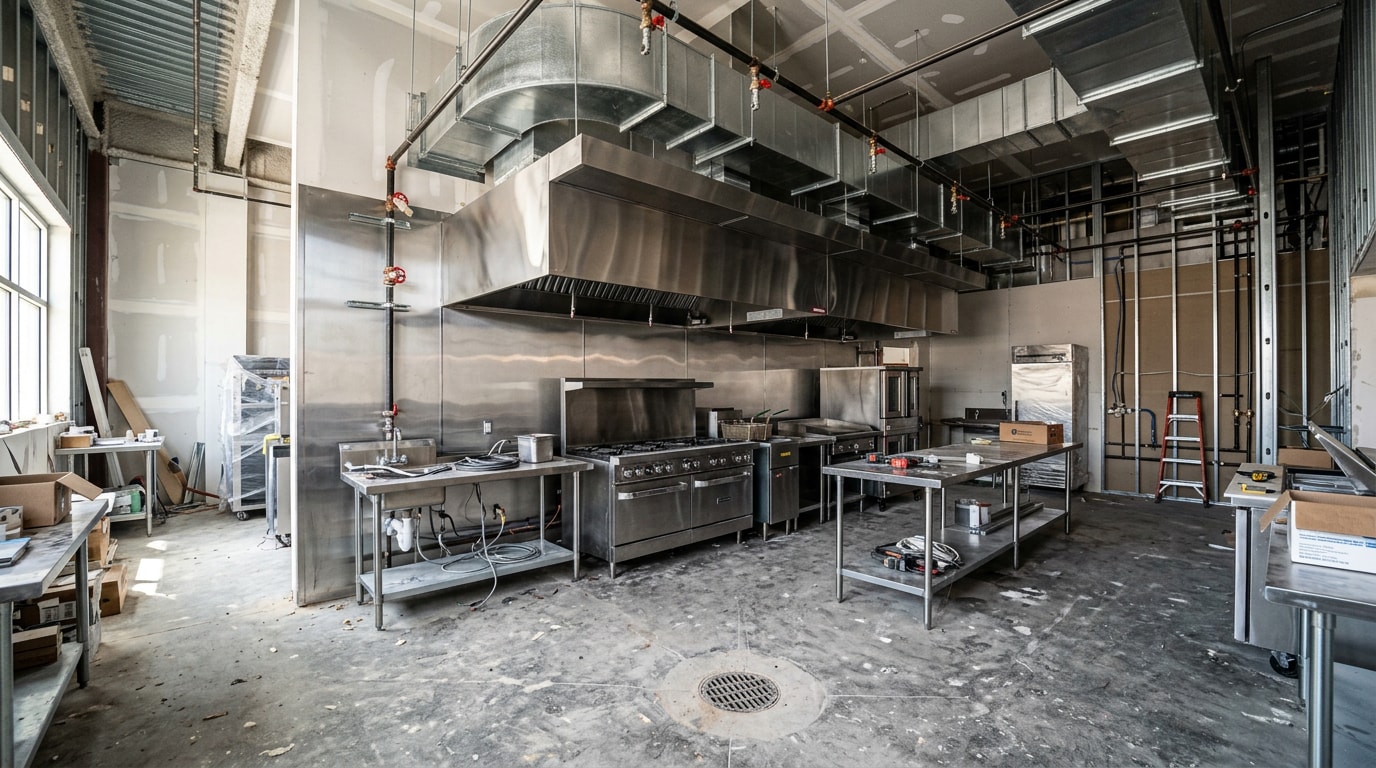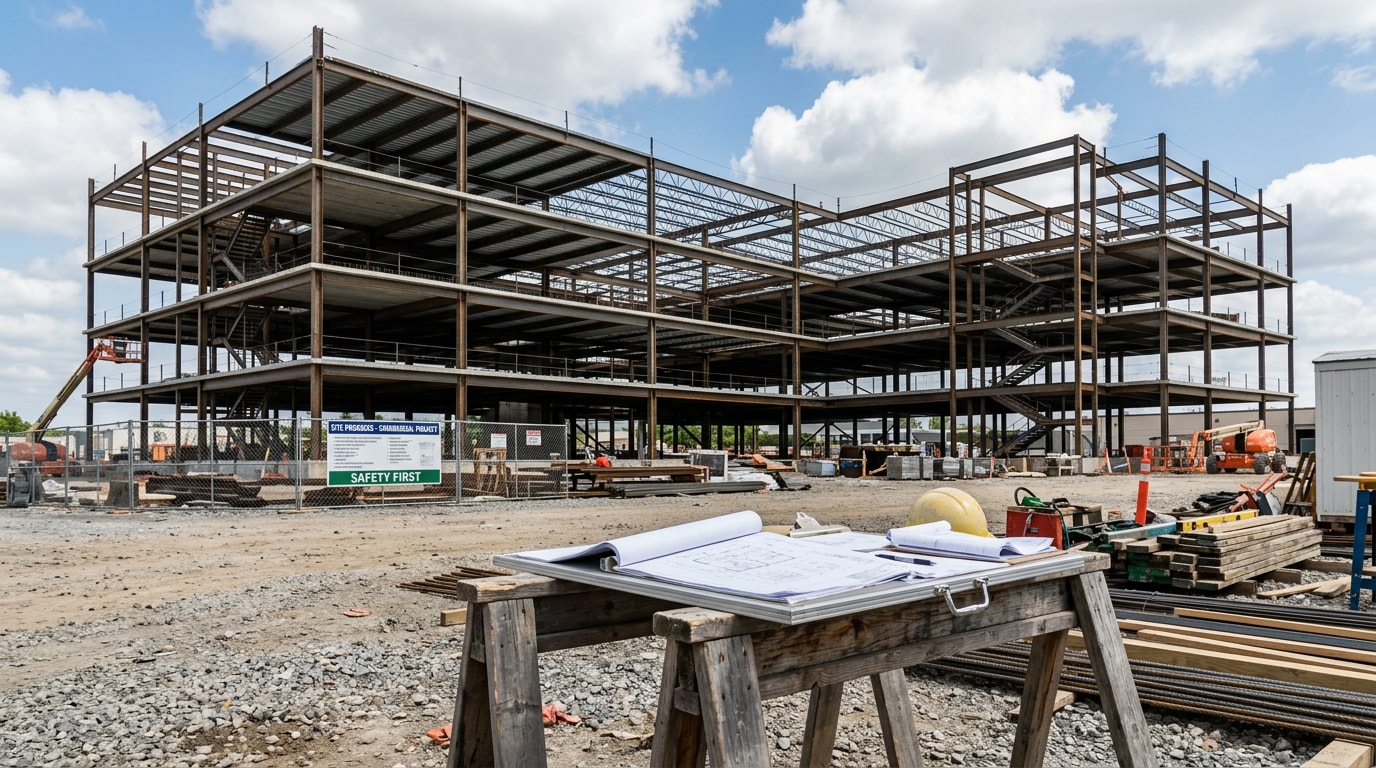
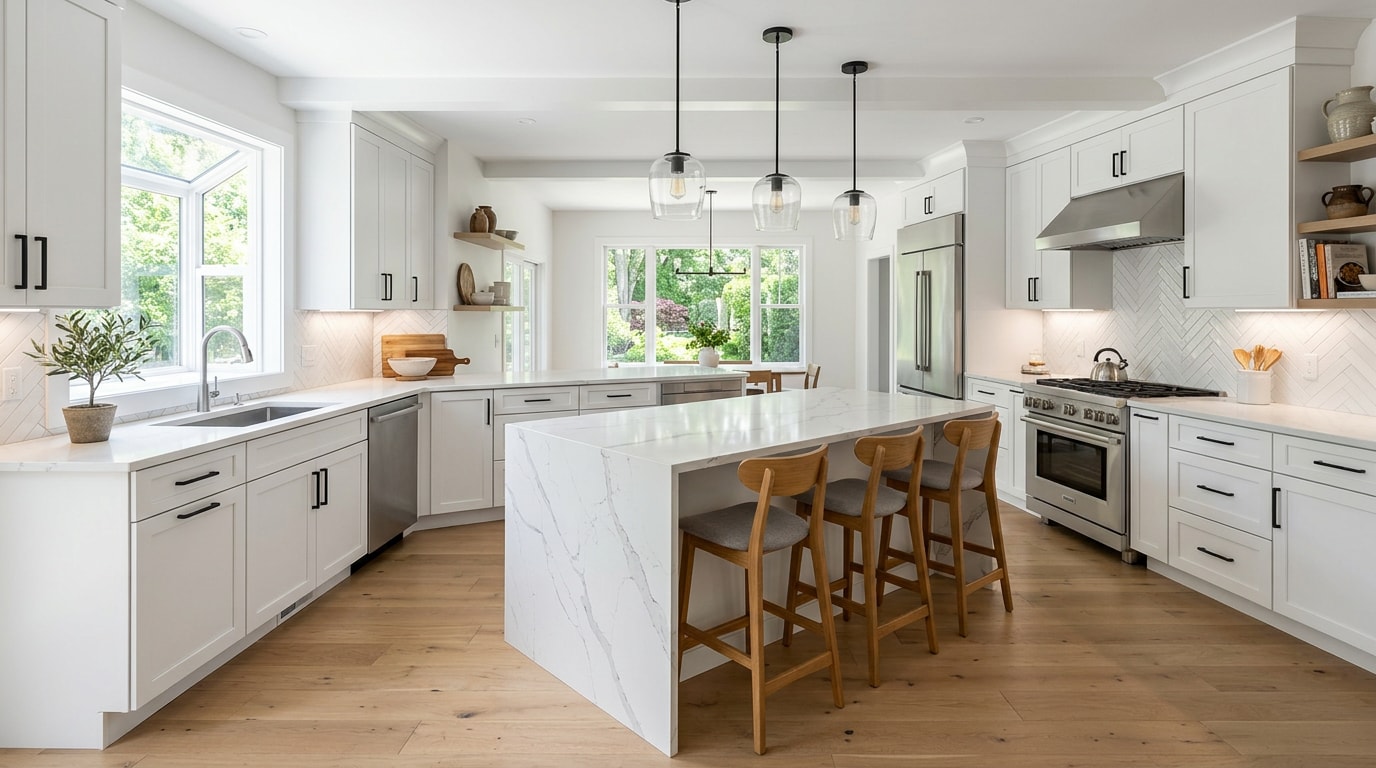
A kitchen general contractor manages everything your remodel touches beyond the room itself: permits, plumbing, electrical, and the crews who show up to do it. A kitchen-only specialist, by contrast, sticks to cabinets, counters, and finishes inside your existing layout. Picking the wrong one for your project's scope is the single biggest reason kitchen remodels run over budget or stall mid-demo.
General Contractor vs. Kitchen Remodeling Specialist: Which Fits Your Project
Both professionals can produce a great kitchen. The difference is in how they're built to work.
A general contractor runs multiple trades at once. If your project touches a load-bearing wall, relocates a gas line, or bumps out into an adjoining room, you need someone who can coordinate framers, electricians, and plumbers on the same schedule. A kitchen specialist usually self-performs cabinetry, countertop templating, and finish carpentry with a smaller, dedicated crew, and stays within the current footprint.
Neither model is automatically "more legitimate." It's a question of breadth versus depth.
Scope of Work & Expertise
Here's the quick breakdown:
- Structural changes, permits beyond the kitchen, or a multi-room renovation: general contractor
- Cabinets, counters, flooring, and appliances in the same layout: kitchen specialist
- Gut renovation that moves plumbing or gas lines: general contractor
- Cosmetic refresh (paint, hardware, backsplash): either, but a specialist is usually faster
Licensing and Insurance You Should Verify
Before signing anything, confirm the contractor is licensed where licensing applies, and insured everywhere. Consider only contractors who are licensed and insured, and check with your state or county government to confirm a contractor's license while asking the contractor for proof of insurance. Ask for a current certificate of liability coverage and workers' compensation, not just a verbal assurance.
Beyond state or local licensing, some kitchen remodelers hold trade credentials worth asking about. The National Association of the Remodeling Industry offers a kitchen-specific designation: the Certified Kitchen and Bath Remodeler credential is for remodeling business owners and managers whose company primarily focuses on delivering kitchen and bath renovations, recognized as accomplished professionals with the knowledge and experience to manage and deliver kitchen and bath remodeling projects. It's not a legal requirement, but it signals a contractor has been tested on more than just sales pitches.
What a Kitchen General Contractor Costs in 2026
Pricing depends heavily on scope, not just square footage. A recent industry trends study found that a kitchen remodel in 2026 costs about $20,000 for a minor update and $55,000 for a major one, with the median rising to $75,000 for a major remodel of a kitchen 250 square feet or larger.
| Remodel Tier | Typical Total Cost | What's Usually Included |
|---|---|---|
| Minor / Cosmetic | $15,000 - $30,000 | Refaced or painted cabinets, new hardware and fixtures, same layout, no structural work |
| Mid-Range / Full | $35,000 - $75,000 | New cabinets, stone countertops, updated lighting, minor plumbing or electrical moves |
| Major / Structural | $75,000 - $150,000+ | Wall removal, layout changes, custom cabinetry, full plumbing and electrical rework |
General contractors typically price multi-trade work as a fixed bid or cost-plus a markup, commonly 15% to 25% over subcontracted labor and materials, to cover scheduling, permits, and liability across the whole job. Kitchen specialists working a tighter scope often quote flat or per-square-foot pricing instead. Neither model is a red flag on its own, but you should understand which one you're agreeing to before you sign.

Wyoming and Montana Licensing: What Our Service Area Needs to Know
This is the part most national kitchen-remodel guides skip, and it matters a lot if you're hiring in the Big Horn Basin or south-central Montana.
Wyoming doesn't run a statewide contractor license program the way many states do. Wyoming has no statewide GC license or registration requirement, one of the least regulated states for GC work in the country. That means licensing, where it exists, is handled city by city, including in towns like Cody, which requires contractors to carry a current certificate of insurance and maintain a proven work record before the city will issue a license. Because there's no statewide database, your best move is confirming directly with the local building department before work starts.
Montana takes a different approach. Montana does not issue a general contractor license; instead, construction businesses with employees must obtain a Construction Contractor Registration from the Department of Labor and Industry for $70, and self-employed contractors who want to opt out of workers' compensation must obtain an Independent Contractor Exemption Certificate. In plain terms: "licensed" in Montana mostly means "registered and carrying workers' comp," not "passed a trade exam." Ask to see the registration number and check it yourself rather than taking a business card at face value.
Our crews at Red Rock Constructions pull local permits for kitchen and whole-home projects across Powell, Cody, and Billings, so we deal with these different rulebooks on a weekly basis. If you're vetting a contractor anywhere in this region, ask which jurisdiction they're registered or licensed in and get it in writing.
When to Hire a General Contractor vs. a Kitchen Specialist
Use this as a gut check before you start calling anyone:
- Moving walls or expanding square footage → general contractor
- Renovating the kitchen alongside a bathroom or living space → general contractor
- Replacing cabinets, counters, and appliances in the same layout → kitchen specialist
- Planning a true whole-home remodel → general contractor
- Simple cosmetic refresh with no permit needed → either
If your project checks more than one "general contractor" box, start there. Our residential remodeling page breaks down how we scope multi-room projects before a single wall comes down.
How to Hire a Kitchen General Contractor: Step-by-Step
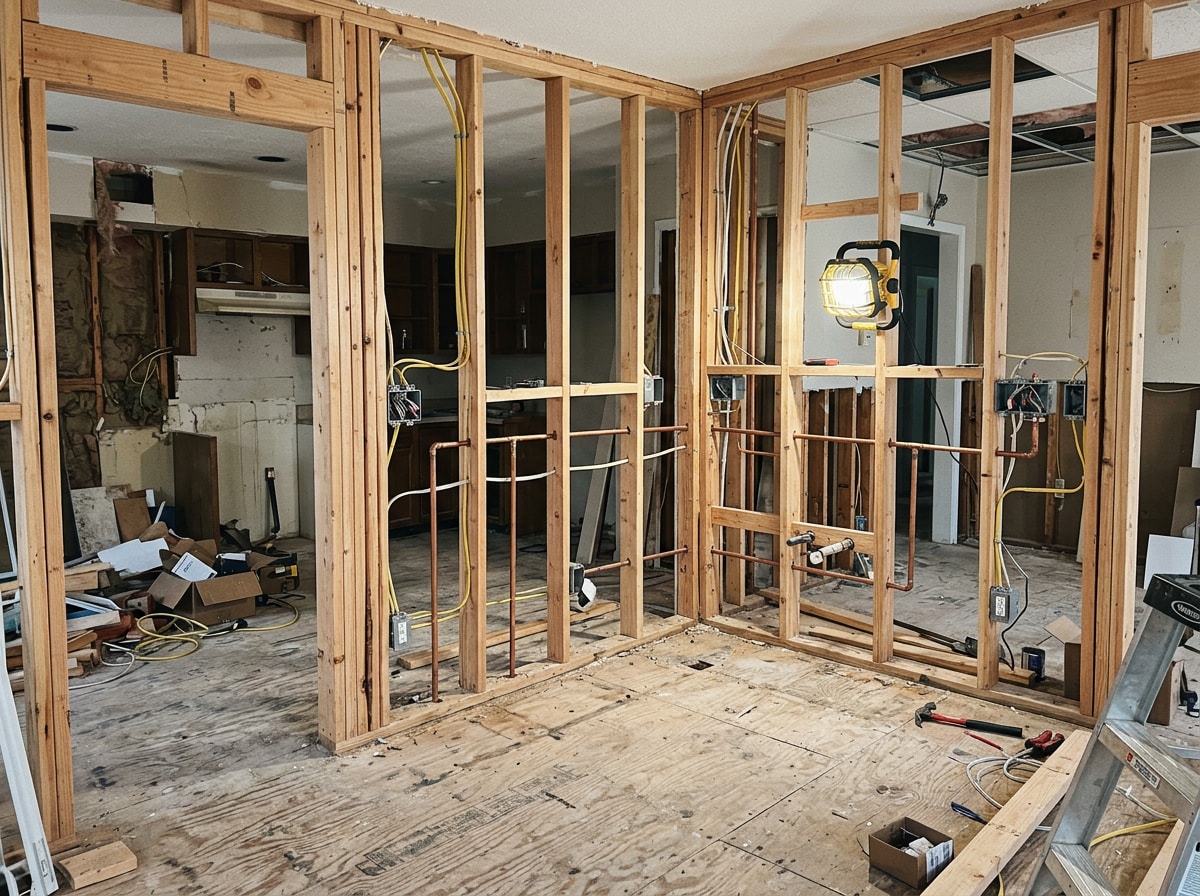
Most kitchen remodels follow the same basic sequence once you've picked a contractor: a consultation to define scope, permitting where required, demolition, rough-in for plumbing or electrical, then rebuild and finish. Knowing this order helps you ask sharper questions during interviews instead of generic ones.
Questions to Ask Before You Sign
- How long have you been in business, and how many kitchen projects have you completed in the last year?
- Who is the on-site project supervisor, and how often will they be physically present?
- Do you self-perform the work, or is it subcontracted, and if so, to whom?
- What's the payment schedule, and does it tie to completed milestones rather than a flat upfront deposit?
- Can I call two or three recent kitchen remodel references directly?
- What's your estimated timeline from demo to final inspection?
Get multiple estimates. A written estimate should include a description of the work to be done, materials, completion date, and the price, and you shouldn't automatically choose the lowest bidder. Ask for an explanation if one bid is far below the others; it usually means something is missing from the scope.
Red Flags That Should End the Conversation
- Demands for full payment upfront instead of a milestone-based schedule
- Reluctance to provide a license or registration number you can verify yourself
- Pressure to sign the same day you meet
- No written contract, or a contract with blank sections
- No certificate of insurance available on request
For a deeper dive into the full hiring and vetting process for larger residential projects, see our guide on residential general contractor services.
Why Homeowners in the Big Horn Basin Choose Red Rock Constructions
A kitchen remodel rarely stays contained to the kitchen. Plumbing runs through the wall into a bathroom, electrical panels need capacity checked, and sometimes a "simple" island addition turns into a structural conversation. That's the exact gap a general contractor is built to close.
Red Rock Constructions coordinates kitchen remodels alongside the structural, plumbing, and project management work they tend to pull in, backed by our broader general contractor services and hands-on project management on every job site. If you're planning a kitchen remodel anywhere from Sheridan to Worland, get a free estimate before you commit to a contractor who may not be set up for the scope you actually need.
FAQ
How much does it cost to hire a general contractor for a kitchen remodel?
Most kitchen remodels run $20,000 to $75,000 depending on scope, with structural changes and multi-room projects pushing toward the higher end. A general contractor's bid usually includes a markup over subcontracted labor to cover scheduling and oversight across every trade involved.
Do I need a general contractor for a kitchen remodel?
You need one if the project involves structural changes, permits beyond the kitchen, or work that spills into other rooms. A kitchen-only update with no layout change can usually be handled by a specialist instead.
What's the difference between a general contractor and a kitchen remodeler?
A general contractor manages broader, multi-trade projects and typically charges a markup for that coordination. A kitchen remodeler specializes narrowly in kitchens, often self-performs the work, and tends to offer more predictable flat or per-square-foot pricing.
How long does a kitchen remodel take with a general contractor?
A mid-range remodel with no structural changes typically takes 6 to 10 weeks from demo to final walkthrough. Projects involving permits, wall removal, or custom cabinetry can run 3 to 5 months once design, ordering, and inspections are factored in.
Can I DIY part of a kitchen remodel?
Cosmetic work like painting cabinets or swapping hardware is reasonable to DIY. Plumbing, electrical, and anything structural should go to a licensed professional. Fixing a failed DIY attempt almost always costs more than hiring it out correctly the first time.
Does Wyoming or Montana require a license to work as a general contractor?
Wyoming has no statewide contractor license; licensing, where it applies, is handled city by city. Montana requires construction businesses with employees to register with the Department of Labor and Industry rather than pass a competency exam. Always verify directly with the local jurisdiction before signing a contract.