Project manager vs general contractor is the first question most owners run into once a build gets real. The two roles overlap just enough to cause confusion, but they carry different responsibilities, different fees, and different risk if something goes sideways. Here's how to tell them apart before you sign anything.
Quick answer: A general contractor builds your project and manages the trades on-site. A project manager oversees the entire process, budget, schedule, and decisions, often before a single nail goes in. Small, straightforward jobs usually need only a GC. Larger or multi-phase builds often benefit from both.
What Is a General Contractor?
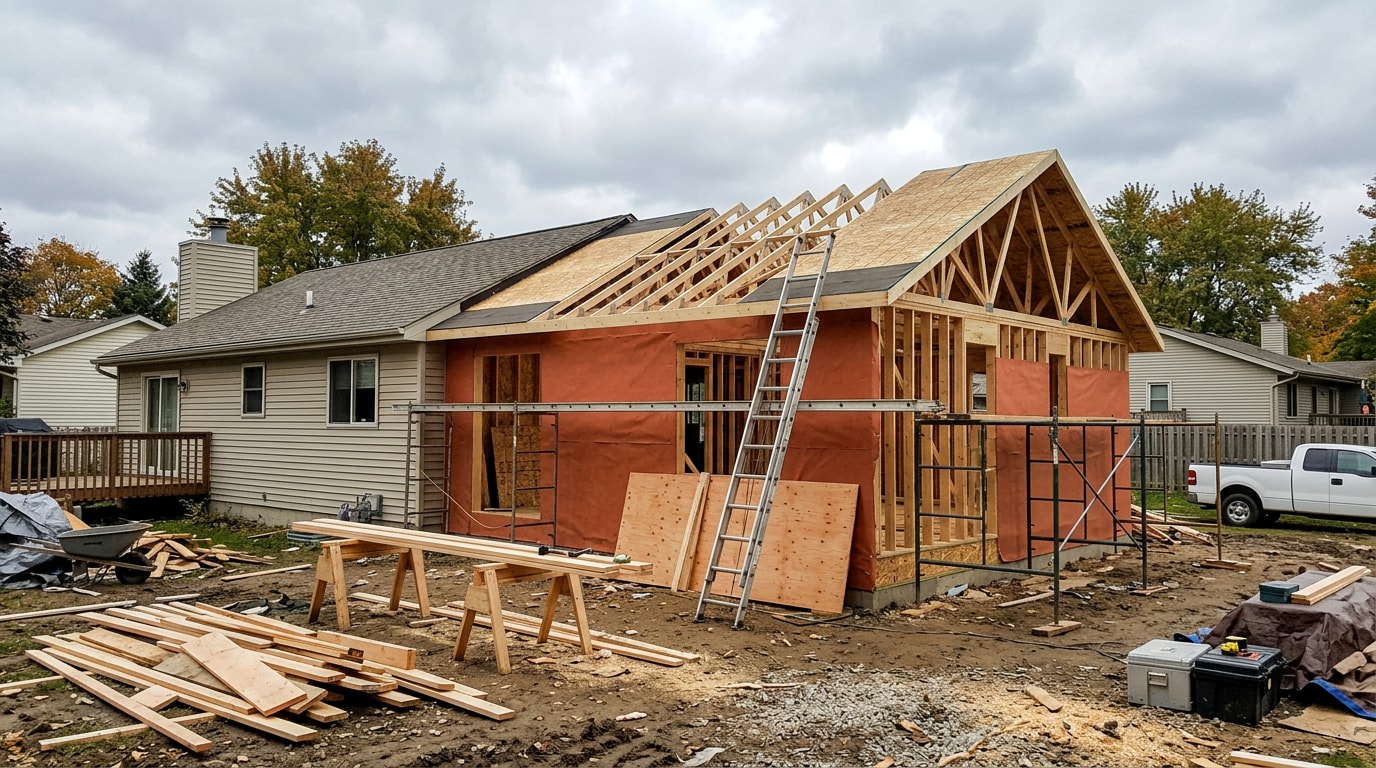
A general contractor is the professional who physically builds your project. They hire and supervise subcontractors, order materials, and run the day-to-day work on the jobsite, typically earning a percentage markup on the total project cost.
A GC's job centers on construction execution, turning plans into a finished structure. Their core responsibilities include:
- Hiring, scheduling, and supervising subcontractors
- Ordering and coordinating material deliveries
- Inspecting completed work against code and spec
- Solving problems that come up on-site, in real time
- Keeping the build on schedule and within the contracted budget
If you want to see what's typically included in a build contract, browse our general contracting services page.
What Is a Project Manager?
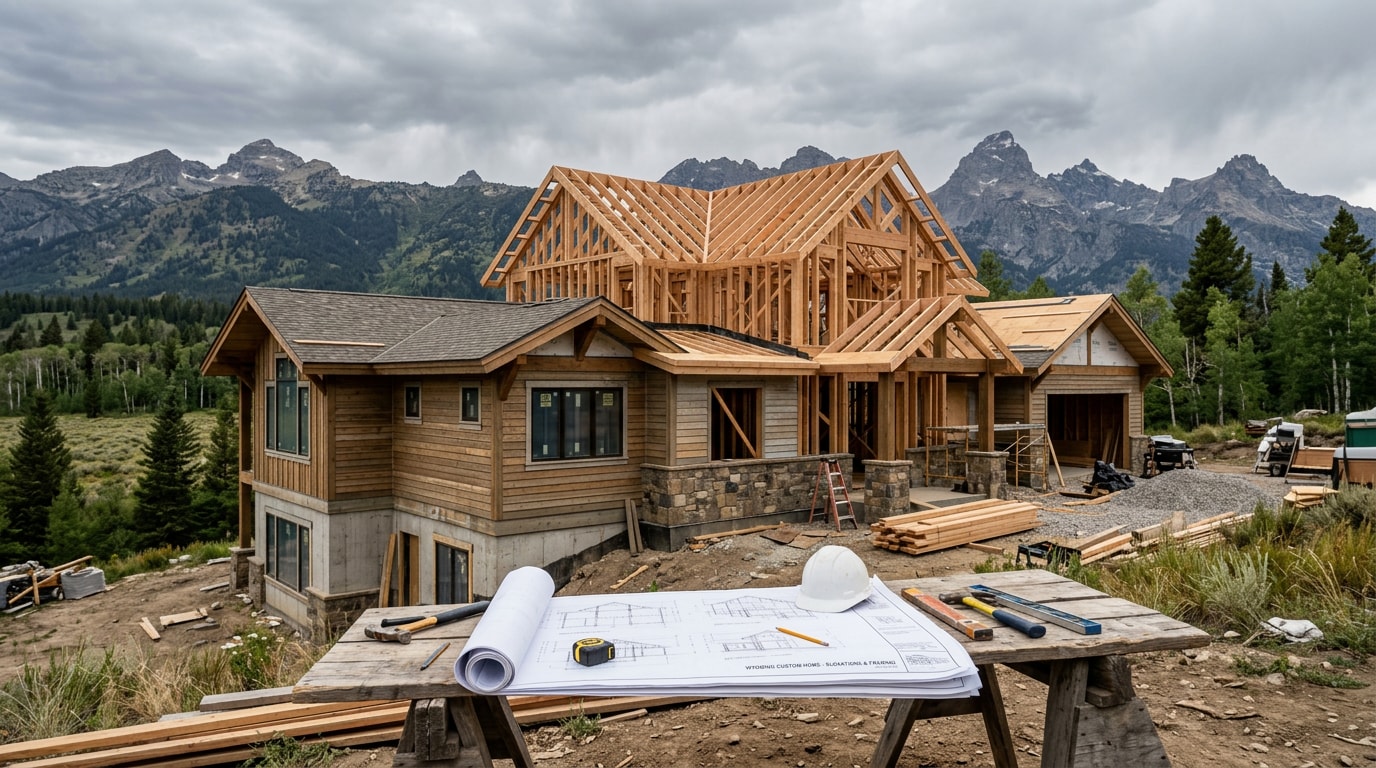
A project manager oversees planning, budgeting, scheduling, and coordination across the entire project lifecycle, not just the construction phase. Unlike a GC, a project manager rarely swings a hammer. Their value is in oversight, keeping every moving piece aligned from the first meeting to final sign-off.
A PM's responsibilities typically include:
- Setting and tracking the master budget and schedule
- Vetting and helping hire a qualified general contractor
- Managing permits, design decisions, and stakeholder communication
- Flagging risks before they become expensive problems
- Representing the owner's interests, not the builder's
You can see how this fits into a full build through our project management services page, or read our longer breakdown in General Contractor vs Project Manager: Key Differences in 2026.
Project Manager vs. General Contractor: Key Differences at a Glance
| Factor | General Contractor | Project Manager |
|---|---|---|
| Scope of work | Builds and executes construction | Plans, budgets, and coordinates the full project |
| Reporting structure | Reports to homeowner, or to the PM if one is hired | Reports directly to the homeowner or owner |
| Jobsite presence | Daily, hands-on | Periodic, milestone-based |
| Comes on board | Usually after design and permitting | Usually during preconstruction |
| Fee structure | Percentage markup on project cost | Flat fee or hourly rate |
| Primary risk carried | Construction-phase cost and quality | Schedule and budget outcomes |
Responsibilities Compared
A general contractor's responsibilities center on subcontractor management. They hire and supervise subs, confirm work meets code and quality standards, procure materials, coordinate deliveries, and keep the physical build on schedule and within budget.
A project manager's responsibilities sit one level up. They keep the entire project on schedule, within budget, and compliant with safety and legal standards. They also help owners vet bids and hire a qualified GC in the first place.
One role manages the plan. The other executes it. On smaller jobs, a strong GC often does both without friction. On larger or multi-stakeholder builds, splitting the two roles creates a built-in check: the GC isn't grading their own homework.
Timing: Who Comes On Board First
Project managers typically join during preconstruction, supporting the project from initial planning through final sign-off. That means they're in the room for site selection, design review, and budget-setting, long before a permit gets pulled.
When to bring on a general contractor depends on the delivery model. Some GCs join early for input on buildability and cost. Others start once design and permitting are finalized and simply report to the PM already in place. If your project uses an integrated delivery approach, the Design-Build Institute of America has a useful breakdown of how these handoffs typically work. Design-build has become the fastest-growing and most commonly used project delivery method in the United States , which is part of why the "who comes first" question has gotten more complicated in the last few years.
On-Site Presence: Daily Builder vs. Periodic Oversight
General contractors spend most of their time on-site, managing subcontractors and supervising daily construction work. A project manager's presence is more part-time and oversight-based. They check in at key milestones rather than staying on-site continuously.
This on-site vs. oversight split is one of the clearest practical differences between the two roles, and it's usually the fastest way to tell which one you're actually talking to.
Licensing and Qualifications: What to Actually Check
Having the right general contractor license gives you a baseline on competency and some financial protection if something goes wrong. But licensing isn't uniform everywhere, and that matters more in some states than others.
Here's a detail most national guides skip entirely: if you're building in our service area across Wyoming and Montana, Wyoming has no statewide licensing requirement for general contractors; instead, licensing is managed at the local level by cities and counties, each setting its own rules for eligibility, insurance, and exams . That means "is my contractor licensed" doesn't have one simple answer in towns like Powell or Cody. It depends on the municipality. Montana, by contrast, does require state registration for contractors.
Project managers don't carry a trade license at all in most states. Their credibility usually comes from certifications like the PMI Construction Professional (PMI-CP), which prepares construction project managers to lead, plan, and manage contracts . For a broader standard on contractor licensing structures nationally, the National Association of State Contractors Licensing Agencies is a solid reference point, since NASCLA promotes best practices and license uniformity for the agencies that regulate the construction industry .
Bottom line: verify credentials locally, not just at the state level, before you sign.
What Does Each One Cost?
Fee structures differ in both rate and format.
| Role | Typical Fee | Fee Structure |
|---|---|---|
| General Contractor | 10% to 20% of project cost, or roughly $300 to $500 per day | Percentage markup on total cost |
| Project Manager | 5% to 10% of project cost | Flat fee or hourly rate |
Those are the ranges most commonly cited across the industry, and they hold up in our own bids too. Keep in mind that hiring an external project manager adds a layer of cost on top of GC fees, which is why some owners prefer combining both roles into a single hire when the project allows it.
Wage data backs up why PM-level expertise costs what it does: the median annual wage for construction managers was $114,990 as of the latest Bureau of Labor Statistics data, and job outlook for the role from 2025 to 2035 is 9%, much faster than average . That's a growing, well-compensated field, which is part of why standalone PM services aren't cheap.
Ready to see what your project actually costs? Get a free estimate and we'll walk you through both pricing models before you commit to either.
Why Many Wyoming and Montana Owners Choose a Combined GC + PM Model
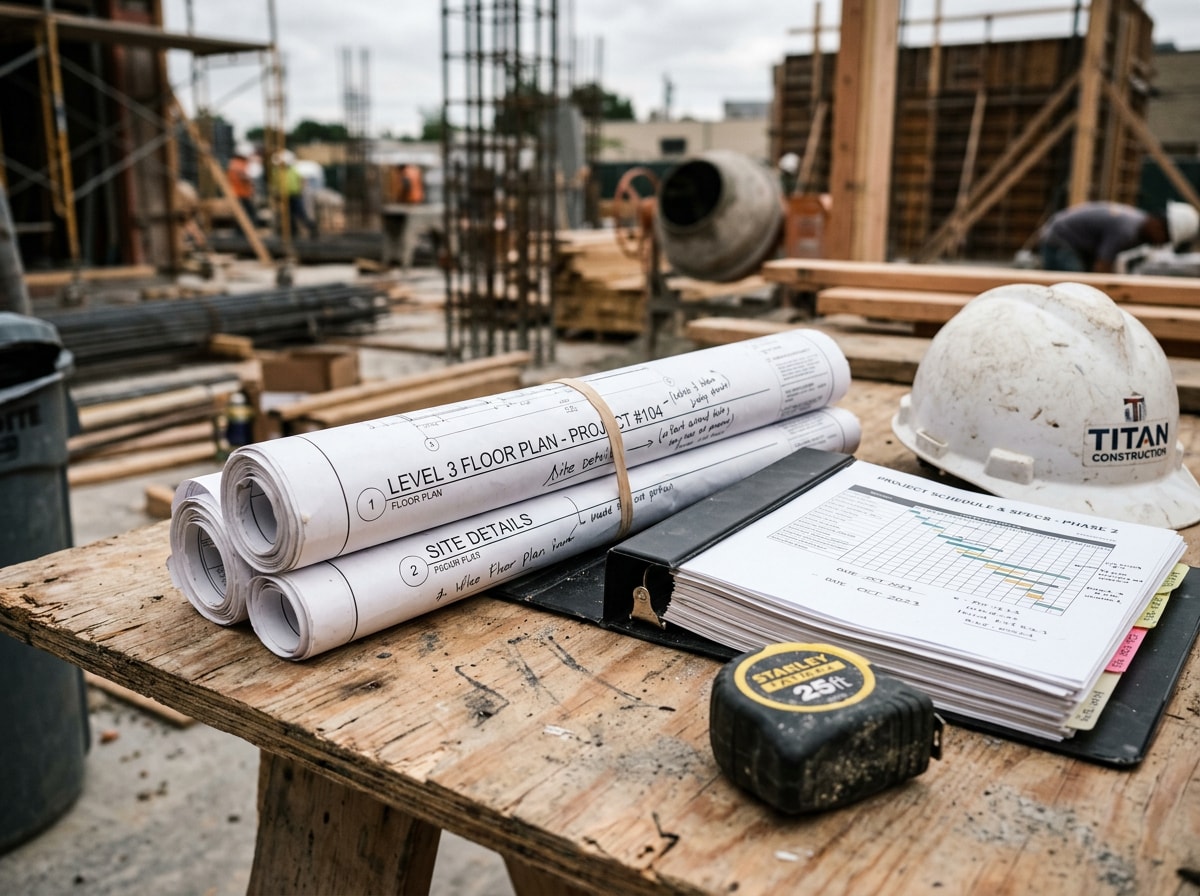
Most homeowners assume hiring a contractor means every part of the project gets managed automatically. In reality, contractors are often focused on construction activities and don't always have the bandwidth to also own planning, budgeting, permitting, and stakeholder communication at the same time.
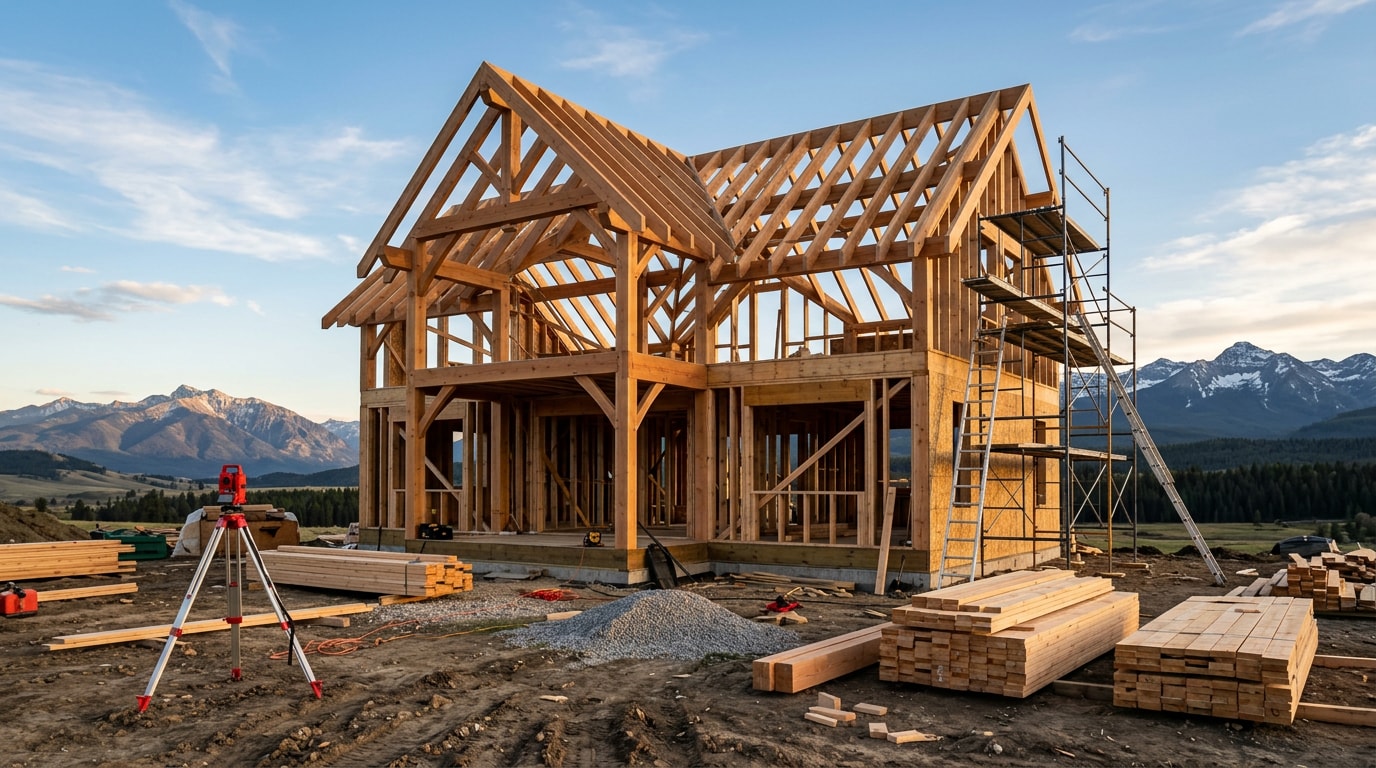
We've run both setups on jobs from Sheridan to Billings: GC-only on straightforward remodels, and combined GC plus PM on larger new-construction and commercial builds where the owner wasn't on-site daily. When the same team handles both roles, as with a design-build approach, decisions move faster because nobody is waiting on a second company to sign off. That said, not every general contractor has the systems or staff to manage a project well end to end, so this combined model only works with a team that's actually proven it. You can see examples of both approaches in our completed projects.
Which One Should You Hire?
Use this as a rough filter:
- Small renovation, single trade focus, you're available to make quick decisions: A general contractor alone is usually enough.
- New construction, multiple trades, tight timeline, you're not local or not available daily: Add a project manager, or hire a GC that also manages the full lifecycle.
- Commercial build with multiple stakeholders or investors: A separate PM creates accountability a GC-only setup can't.
- You're unsure which license rules apply in your town: Start with a licensed, local general contractor who can walk you through both options.
A general contractor builds the project. A project manager manages the project. For smaller jobs, a qualified GC can often handle both without issue. For larger or more complex builds, having both typically delivers a smoother result. Contact our team to talk through which setup fits your build, or start at our homepage to see the full range of services we cover.
FAQ
Should I hire a general contractor or a project manager for my renovation?
It depends on your project's scale, complexity, budget, and how hands-on you want to be. Small, straightforward renovations usually need only a general contractor. Larger or multi-phase projects benefit from added project oversight.
What's the difference between a project manager and a general contractor?
A project manager oversees planning, budgeting, and coordination across the entire project. A general contractor handles the hands-on execution of the actual construction work. One manages the process; the other builds the result.
Do I need a project manager if I already have a general contractor?
Not always. A skilled general contractor can manage smaller projects alone. Complex builds with multiple stakeholders, tight timelines, or significant design decisions often benefit from the extra oversight a project manager provides.
Is a general contractor the same as a project manager?
No. Some general contractors do act as their own project manager on smaller jobs, but by default, the two roles are distinct. One focuses on building, the other on managing the full project lifecycle.
Can a general contractor also act as the project manager?
Yes, and on residential jobs this is common. A GC with strong systems can handle budgeting, scheduling, and subcontractor oversight at once. The risk is bandwidth: on larger or more complex builds, one person covering both jobs can mean something gets less attention than it should.
Is a construction manager the same thing as a project manager?
Not exactly. A construction manager typically focuses on field operations and quality control during the build itself, while a project manager's scope runs from pre-construction through closeout. In practice, the titles overlap more than they differ, so ask any candidate directly what phases they cover.
About the Author
This guide was written by the team at Red Rock Construction, a general contractor serving Powell, Cody, Sheridan, Worland, Greybull, and Lovell, Wyoming, plus Billings and Red Lodge, Montana. We've run projects as both standalone GCs and as combined GC-plus-PM teams, and we vet every local licensing rule before a crew sets foot on-site. Questions about your build? Reach out here.