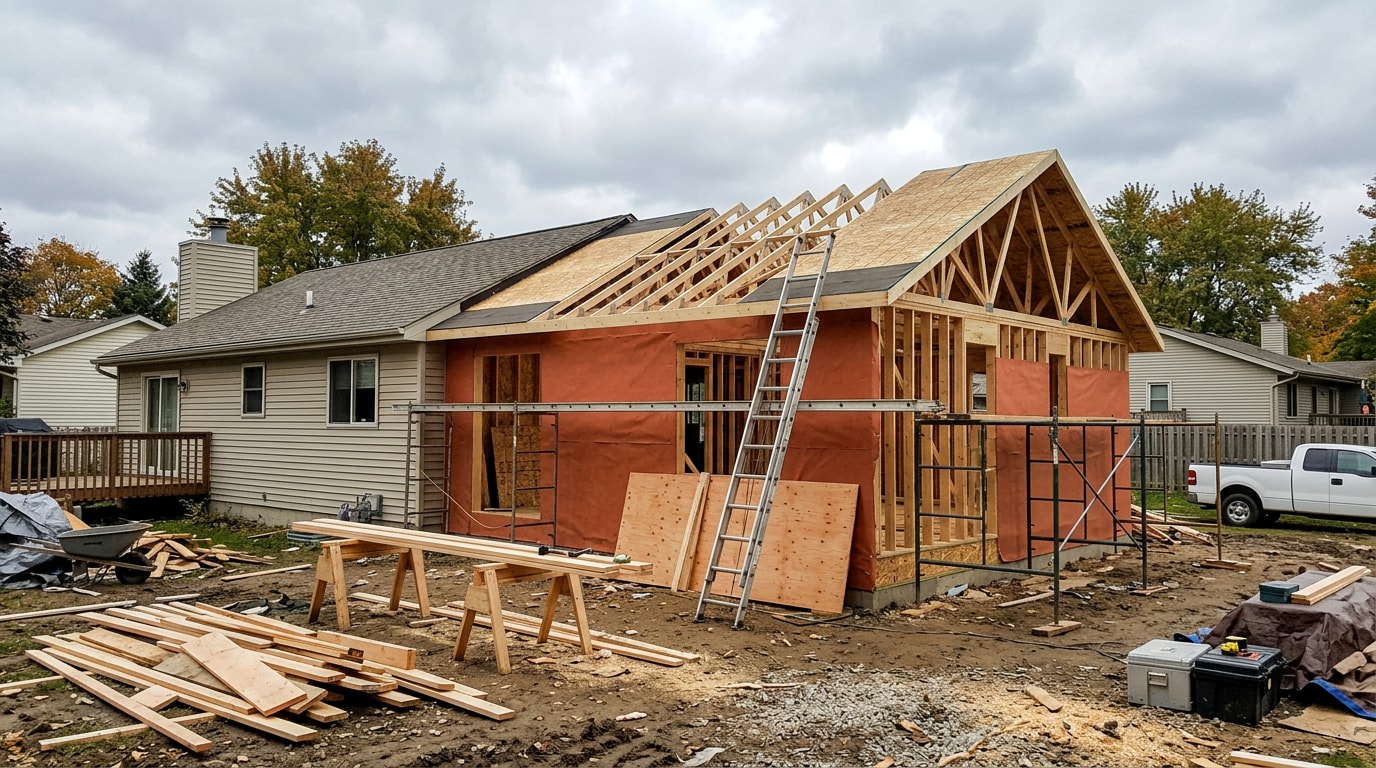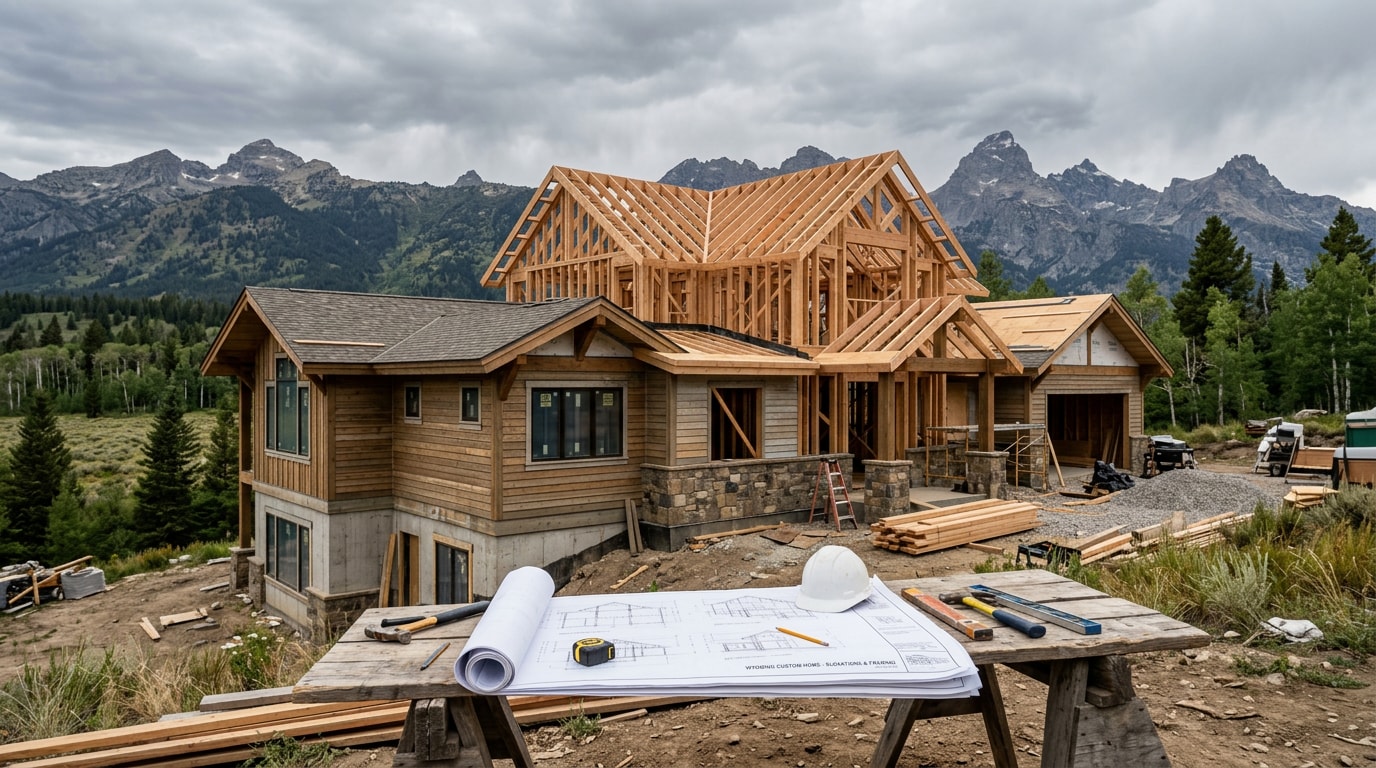
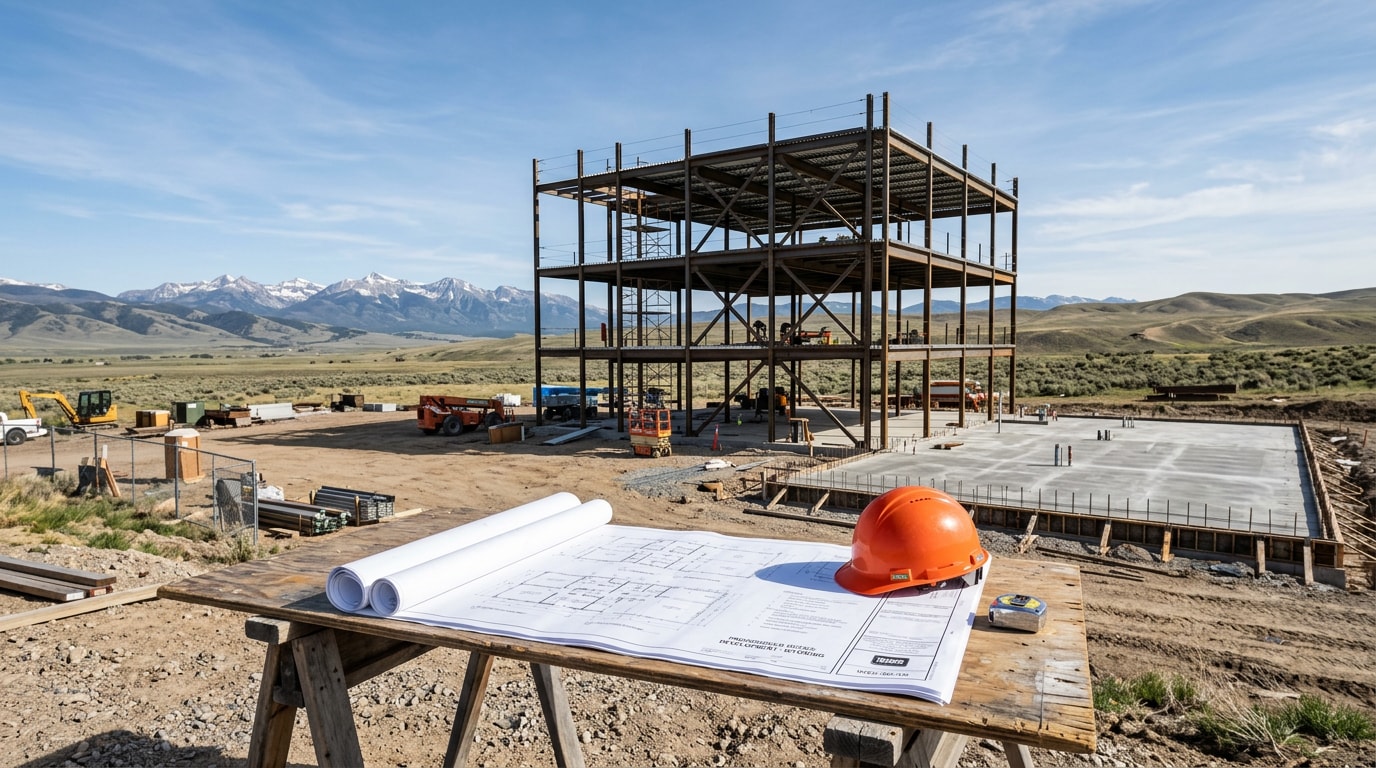
"General contractor vs project manager" is the question we hear most from homeowners staring at a bid packet, unsure which title actually does what. Both roles keep a build moving, but they work at different altitudes: one runs the job site, the other runs the plan. Hire the wrong one and you either pay for oversight you didn't need or go without oversight you did.
General Contractor vs Project Manager at a Glance
Before you sign anything, look at how authority, location, and cost split between the two roles.
| Factor | General Contractor | Project Manager |
|---|---|---|
| Primary focus | Builds the project | Manages the project |
| Day-to-day location | On-site, daily | Office and site, as needed |
| Involved during design? | Usually not | Often, from early planning |
| Who hires subcontractors | The GC directly | GC hires; PM may help vet bids |
| Payment structure | Lump sum or % of build cost | Flat fee, hourly, or % of project |
| License required | Yes, state-issued | No universal license |
Construction managers, often called general contractors or project managers, coordinate and supervise a variety of projects, including building public, residential, commercial, and industrial structures as well as roads and bridges. The titles overlap in casual use, which is exactly why homeowners get confused on paperwork.
Not every project needs both roles filled separately. A single-trade remodel usually needs only a general contractor. A multi-trade, whole-home build with a hands-off owner is where a dedicated project manager typically earns their fee.
What Does a General Contractor Do?
A general contractor (GC) is the licensed professional responsible for the physical construction of your project. They coordinate trades, manage on-site labor, order materials, and make sure the work matches approved plans.
A GC's day-to-day work usually includes:
- Hiring and scheduling subcontractors
- Ordering and tracking material deliveries
- Pulling permits and scheduling inspections
- Confirming work meets local building codes
- Managing job-site safety and daily logistics
- Resolving problems that pop up mid-build
Hiring a general contractor usually means a hands-off remodeling experience. See our general contractor services for what's included, from new construction to residential remodeling.
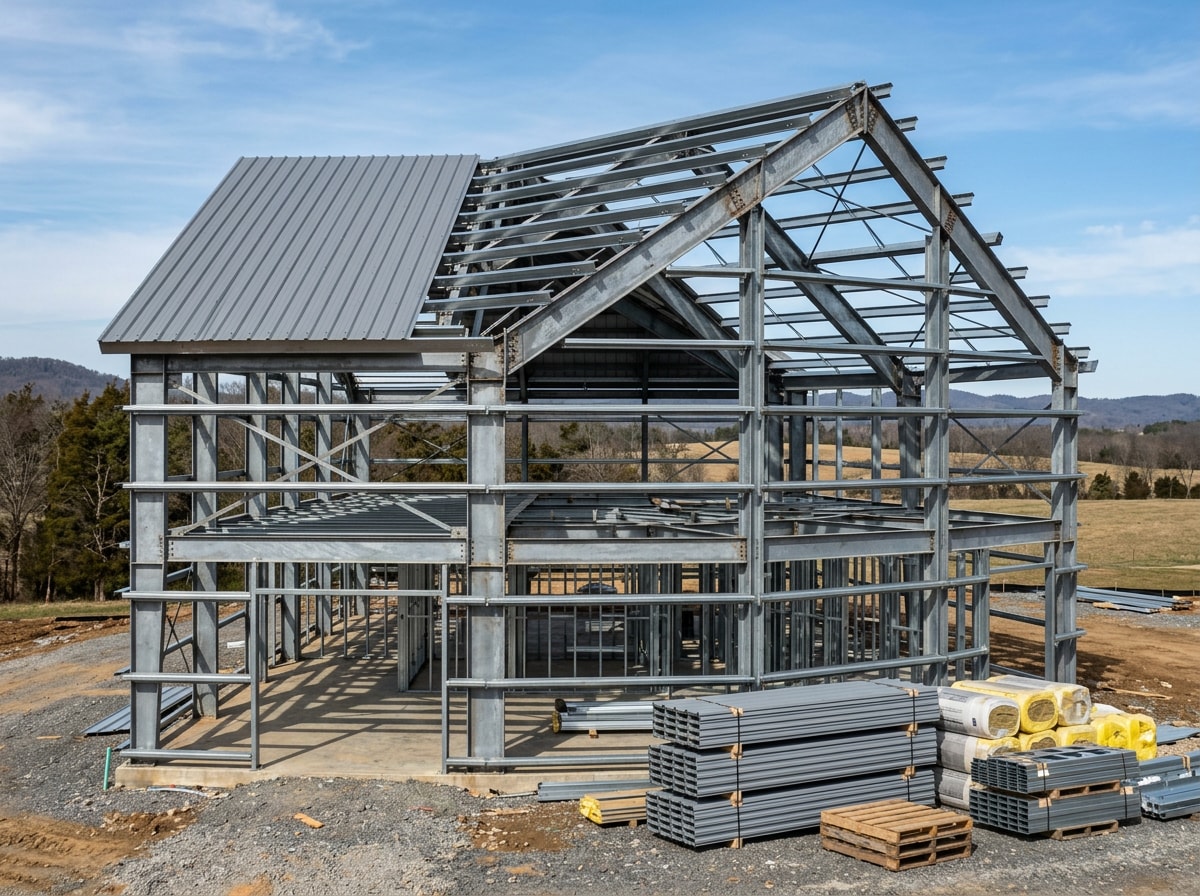
What Does a Project Manager Do?
A project manager (PM) focuses on planning, coordination, documentation, and overall project success rather than swinging a hammer. As an owner's representative, the PM becomes the point of contact between homeowners, contractors, designers, and municipalities.
A PM's responsibilities usually include:
- Building the project timeline and sequencing work
- Monitoring budgets and flagging overruns early
- Coordinating permits, approvals, and documentation
- Communicating progress to the homeowner
- Vetting contractor bids before the owner signs
- Catching issues before they become expensive problems
Unlike a GC, who handles daily minutiae with little homeowner input, a PM works directly with the client, pitching ideas while leaving final decisions to the owner. See our project management services for the full scope of that role.
Responsibilities Side-by-Side: Who Actually Does What
On the ground, GC responsibilities are tactical: scheduling subs, tracking deliveries, pulling permits, confirming code compliance day by day. The PM's job sits a level up, turning that fieldwork into a clear budget and schedule the homeowner can actually follow.
PMs also help homeowners vet bids so they hire a reputable, fairly priced contractor instead of the cheapest one on paper. Either a general contractor or a construction manager oversees the construction phase of a project, including personnel, but a construction manager may also consult with the client during the design phase to help refine construction plans and control costs.
How Much Does Each One Cost?
Project manager costs range from 5% to 10% of your total project, while general contractor fees run 10% to 20% or $300 to $500 per day. A detail many homeowners miss: a PM's fee usually sits on top of the GC's fee, not instead of it.
If you're comparing bids before you commit to either role, read what to know before you request a general contractor estimate so you're pricing apples to apples.
On the salary side, government labor data gives a useful benchmark for what full-time construction management work is worth in the market. Construction managers had a 2025 median pay of $114,990 , according to the Bureau of Labor Statistics. That figure helps explain why standalone PM fees on complex commercial jobs can run higher than the flat residential rates most homeowners see quoted.
Licensing and Qualifications: Who's Actually on the Hook?
General contractors need a state-issued license in most jurisdictions, plus insurance and bonding, since they carry legal responsibility for the build. Project manager qualifications are less standardized. Many hold certifications or degrees, but no universal licensing requirement applies to the title itself.
That gap matters for liability. The licensed contractor typically carries accountability when something goes wrong on-site, which is why the GC's license number should be on every contract you sign. The National Association of State Contractors Licensing Agencies (NASCLA) is the leading association composed of state agencies that have enacted laws to regulate the business of contractors , and its member site at nascla.org lists licensing rules by state if you're building near a state line.
That last point matters more than it sounds for anyone building in the Big Horn Basin or along the Montana-Wyoming border. A GC licensed in Wyoming isn't automatically licensed to pull permits in Montana, and vice versa. Ask any contractor bidding a job near Powell, WY or Red Lodge, MT which state's license they're pulling the permit under before you sign.
Do You Need a General Contractor, a Project Manager, or Both?
Use project scope and your own availability to decide:
- Single-trade job (new roof, one room remodel) → a general contractor alone is enough.
- Whole-home renovation, multiple trades, tight schedule → a GC plus an independent PM reduces your personal workload.
- Commercial build-out with multiple stakeholders → a PM or construction manager coordinating a GC is standard practice.
- Rural or agricultural build (pole barn, steel shop, ranch structure) → a GC who also manages the project directly is usually the simpler, cheaper path.
A 2013 industry study backs up the case for professional oversight on bigger jobs. A 2013 study by McGraw-Hill Construction and supported by the CMAA Foundation showed that using professional CMs saved money, avoided or mitigated problems, and produced higher quality results for owners. You can read more about how that discipline is defined through the Construction Management Association of America.
Browse our completed projects to see how scope size changed the staffing approach on each build.
Why We Combine Both Roles at Red Rock Construction
Not everyone agrees the roles should stay separate. On most residential and agricultural jobs we build across the Big Horn Basin and South-Central Montana, we run GC and PM functions under one contract, with one point of contact and no second markup layered on top.
Stronger Communication
When the same team handles both roles, there's no translation lag between field and office. That gap is where most budget overruns and missed deadlines start.
Better Accountability
One team managing schedule, budget, and construction means no finger-pointing between a GC and a separate PM when something slips. That team carries full responsibility for delivering on time and on budget.
Lower Total Cost
Splitting GC and PM into two contracts means paying two fees. On a pole barn, steel building, or concrete project in Cody, WY or Billings, MT, combining the roles usually keeps more of your budget in materials and labor instead of coordination overhead. See how that applies to steel construction projects specifically.
The Bottom Line
A general contractor builds the project. A project manager manages it. Weighing general contractor vs project manager isn't about picking a winner; on a large commercial job, you may genuinely need both, while most residential and rural builds do fine with one experienced team handling both functions. Get a free estimate and we'll tell you straight which setup your project actually needs.
FAQ
What's the difference between a general contractor and a project manager?
A general contractor pulls permits and provides the crews or subcontractors who complete the physical work. A project manager acts as a liaison between the homeowner and the construction team, overseeing budget, schedule, and communication rather than the build itself.
Can one person be both the general contractor and project manager?
Yes. On most residential and small commercial jobs, a licensed GC can manage planning, budget, and communication directly, which removes the need for a separate PM fee.
Do I need a project manager for a home remodel?
Only if the job spans multiple trades, a tight timeline, or several rooms at once, and you want someone other than yourself tracking the budget and schedule daily. A single-trade remodel rarely needs one.
Is a construction manager the same as a project manager?
They're closely related and the titles are often used interchangeably in residential construction, though construction managers more often work on larger commercial projects with formal contracts.
How much does a project manager cost compared to a general contractor?
Project manager fees typically run 5% to 10% of total project cost. General contractor fees typically run 10% to 20%, or $300 to $500 per day on smaller jobs. If you hire both, the PM fee is usually added on top of the GC's cost, not instead of it.
When should I hire a project manager instead of just a GC?
Hire a dedicated PM when the project involves multiple contractors, a complex permitting process, or when you want an advocate reviewing bids and change orders on your behalf before money changes hands.
Does a general contractor need a license?
In most states, yes. GCs carry legal responsibility for the build and typically need a state-issued license, insurance, and bonding. Requirements vary by state, so confirm licensing status before signing a contract.
---
Red Rock Construction builds and manages residential, agricultural, and commercial projects across the Big Horn Basin and South-Central Montana, including Powell, WY, Sheridan, WY, and Worland, WY. Learn more at Red Rock Construction or contact our team to discuss your project.