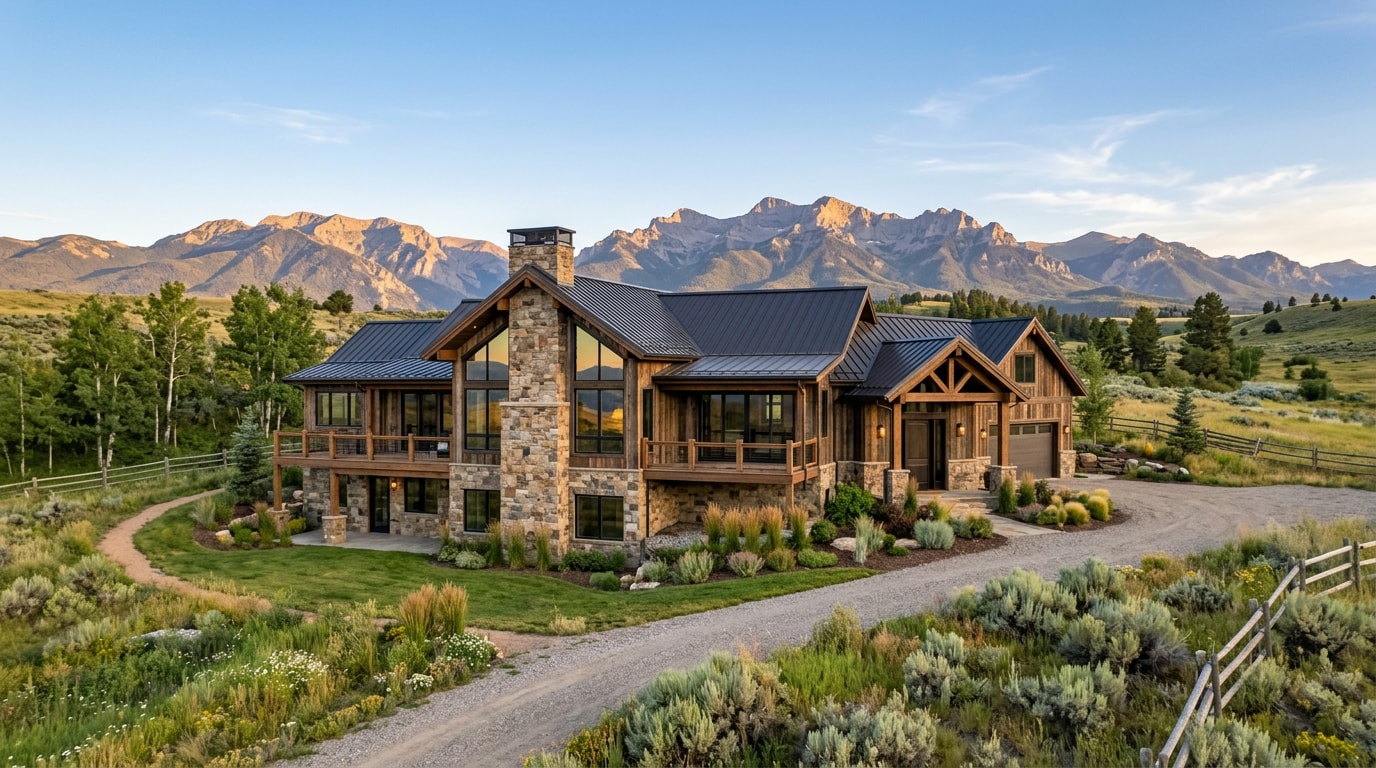
New custom built homes in Greybull, WY let you design around Bighorn Basin views, wind exposure, and snow load instead of settling for a layout built for somewhere else. Relocating to Big Horn County or finally leaving a starter house behind both come with real tradeoffs in cost, permitting, and timeline. This guide breaks down what actually matters before you sign with a builder, including the permit fees and cost data most buyers never see until they've already committed.
Visit Red Rock Construction LLC to see our services and request a free estimate.
Why Build New Custom Homes in Greybull, WY?
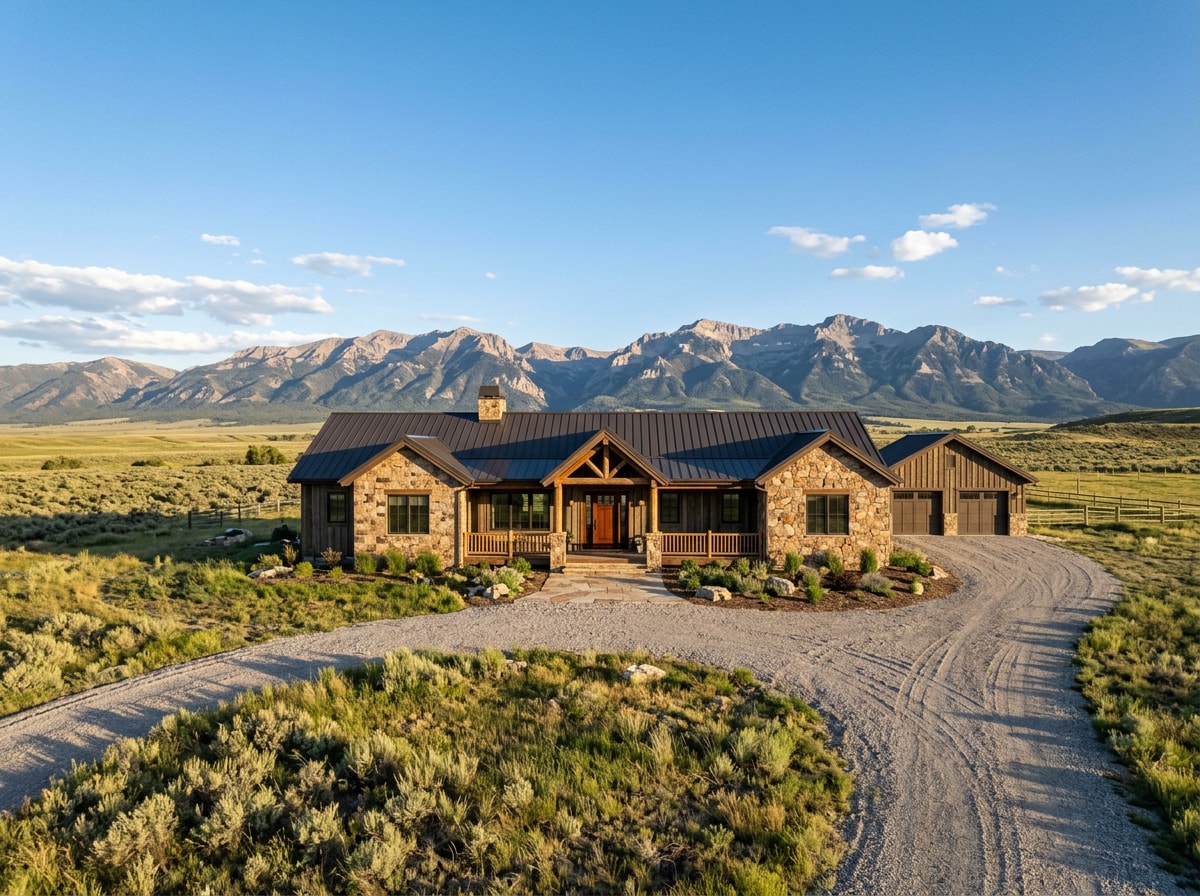
Building custom costs more upfront than buying an existing home and takes longer before you can move in. In exchange, you get a floor plan, finish level, and site orientation chosen specifically for your land. In a tight resale market like Greybull's, a well-built custom home tends to hold its value better than a dated resale.
What makes a Bighorn Basin build different from a generic Wyoming build is the land itself. Wind exposure, snow load, and long sightlines toward the mountains shape design decisions here in ways a subdivision lot in a bigger city never would.
How Much Does It Cost to Build a Custom Home in Greybull, WY?
This is the question almost every buyer asks first, and the honest answer is that it varies by finish level, lot conditions, and region.
Setting a Realistic Budget
NAHB's 2024 Cost of Constructing a Home survey put the average construction cost of a typical single-family home at $428,215, or about $162 per square foot, the highest figure in the history of that series.
For custom, contractor-built homes specifically, NAHB's Survey of Construction data showed a median price of $166 per square foot in 2024, up slightly from $162 the year before. A 1,800-square-foot custom home built near that national median would land around $300,000 in construction costs alone, before land, permits, site work, or finish upgrades are added in. Wyoming's labor availability and the extra site work a rural lot requires can push that number in either direction, so treat any national figure as a starting point, not a quote.
A home building budget should also set aside a 10-15% contingency fund for unexpected site conditions or mid-project changes. It's also worth asking upfront what's excluded from a builder's quote, since land, permits, and site work are frequently billed separately rather than bundled into the headline price.
Material Selections and Their Effect on Cost
Countertop material, cabinetry grade, and flooring choice alone can swing a final price by tens of thousands of dollars. Change orders made after construction starts, like swapping a countertop or upgrading cabinetry mid-build, typically cost more than the same decision made during material selection, since labor and materials often have to be reordered or redone.
What to Consider Before You Start Building
Before you ever call a builder, settle three things: a rough budget range, your must-have list, and where you actually want to live. Big Horn County gives you real choices between town lots and open acreage, and each path affects everything that follows.
How Do I Choose the Right Location?
In-town lots near Greybull offer easier utility hookups, shorter commutes, and walkable access to schools. Rural acreage trades that convenience for privacy, larger building footprints, and more flexibility with outbuildings. Neither is automatically better; it depends on how much land maintenance and drive time you're willing to take on.
Before touring a building lot, map school access, winter road maintenance, and existing utility lines, since extending power or water to a remote parcel can add real cost. Check which areas a builder actually serves across Big Horn County before falling in love with a specific parcel.
What Are the Steps to Designing My Custom Home?
Most custom home design starts with a working session alongside a designer or architect, where you separate true must-haves (bedroom count, garage size, main-floor living) from nice-to-haves (a mudroom, extra windows, a wine wall). Floor plan design typically goes through two or three revisions before anything gets finalized:
- Initial program meeting to set must-haves vs. nice-to-haves
- First draft floor plan and site orientation
- Revision round based on budget and material fit
- Final plan sign-off before permitting begins
That back-and-forth is normal. Rushing it tends to cost more later, which we'll come back to.
Buying Land & Site Prep for Your Custom Home
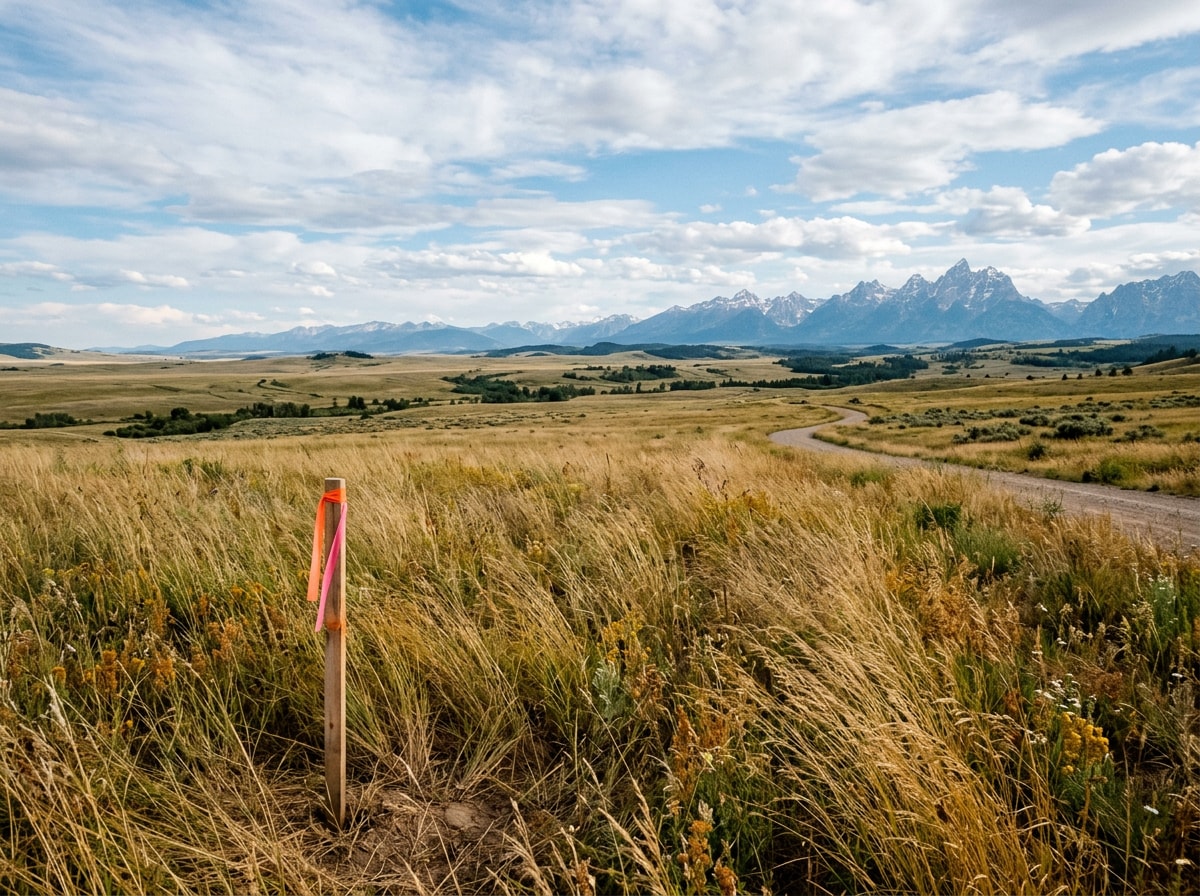
A lot is only "build-ready" once you've confirmed well and septic feasibility, legal access, and a realistic utility connection point. Site prep costs in Big Horn County generally fall into a few buckets:
- Well drilling and well equipment
- Septic system design and permitting
- Driveway grading and access
- Electrical drop from the nearest line
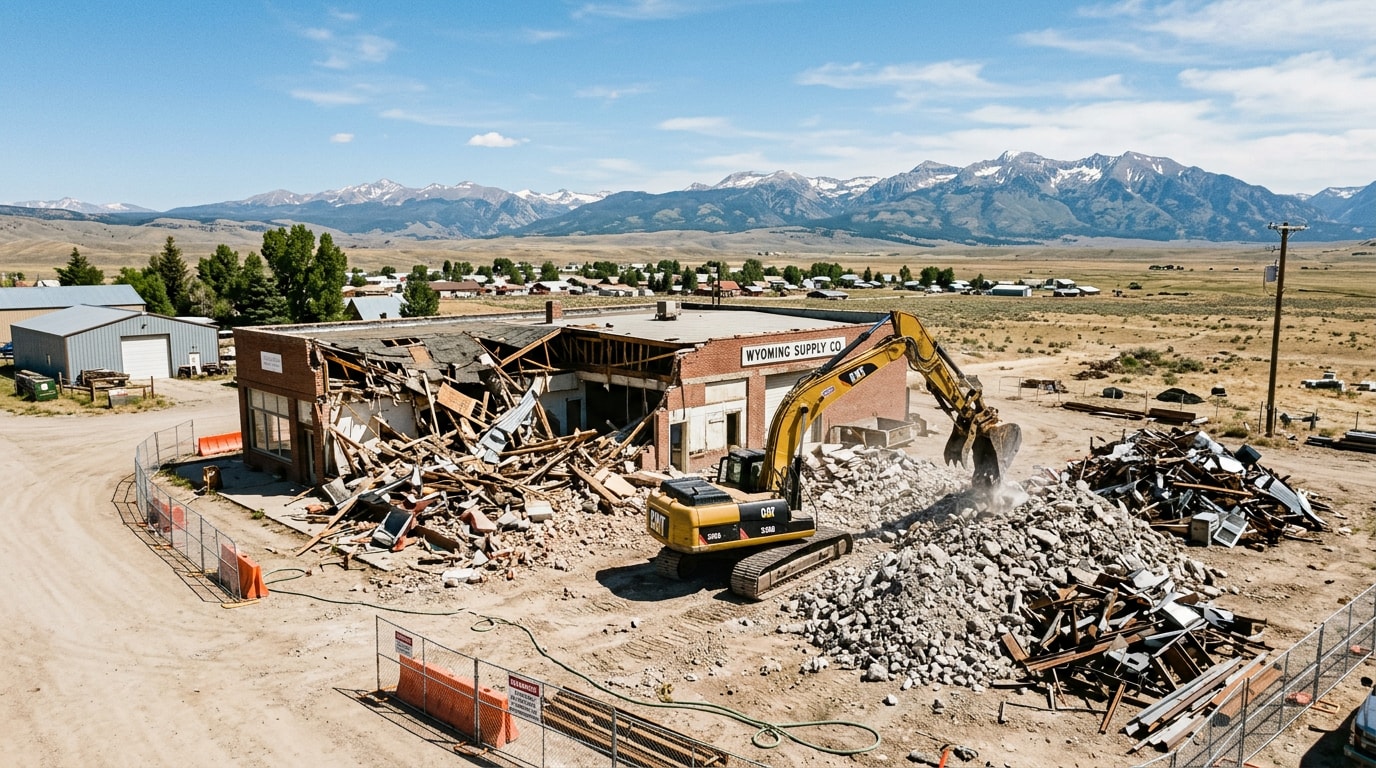
A permit is required for the installation, repair, or replacement of any small wastewater system, which covers septic tanks and leach fields on rural Big Horn County lots. You can confirm standards directly through Wyoming DEQ's water and wastewater permitting page rather than assuming your lot automatically qualifies. In our experience managing foundation and site work across the county, the lots that go smoothly are the ones where the perc test and well estimate happen before the design is finalized, not after.
Permits, Zoning & Building Codes in Big Horn County
Securing the right permits before breaking ground protects you from stop-work orders and costly redesigns mid-build. Requirements shift depending on whether your parcel sits inside town limits or in unincorporated county land.
Big Horn County's Development Application carries a $30 fee and is required for any new construction within unincorporated areas of the county.
The separate Septic Permit Application Package runs $150 and is required for any new, replacement, or repaired small wastewater facility on the same unincorporated lots. Neither fee guarantees approval on its own; the county still reviews floodplain, airport-zone, and access questions before issuing a permit.
Rural, unincorporated Big Horn County doesn't enforce building codes at this time, though contractors still have to follow applicable electrical and fire protection codes, and the county recommends using a national building code standard if you plan to sell the property later.
Development inside town limits is different: for projects within an incorporated town, you'll need to contact that municipality directly to find out whether it applies its own building codes or requirements.
A local builder who already handles new construction across Big Horn County will usually know which permits apply to your specific parcel before you do.
Buy vs. Build: Which Is Right for You?
Comparing Greybull's existing-home inventory to a ground-up build is a real decision point, not just a formality.
| Factor | Buying Existing | Building Custom |
|---|---|---|
| Upfront cost | Typically lower | Typically higher |
| Move-in timeline | Weeks | Months to over a year |
| Layout control | Limited to what's on the market | Designed around your lot and needs |
| Finish selections | Fixed at purchase | Chosen by you, at a cost |
| Resale fit in Greybull | Depends on condition | Tends to hold value when built well |
If you need to relocate fast, buying existing is hard to beat on speed. If the finished home has to actually fit how you live day to day, that's where a custom build earns its premium.
The Custom Home Building Process
A custom build generally moves through two broad phases: everything that happens before a shovel hits dirt, and everything that happens after.
Pre-Construction Phase: Laying the Groundwork
Pre-construction covers permitting and the site survey, confirming boundaries, soil conditions, and how the foundation needs to be engineered for local snow loads. Wyoming winters put real stress on foundations, and the International Residential Code mandates that footings on frost-susceptible soils be placed at or below the locally established frost depth to prevent frost heave. That's not optional engineering flavor text; it's the standard concrete foundation work is measured against here. Careful site preparation at this stage prevents expensive surprises once framing starts.
Construction Phase: Where Dreams Take Shape
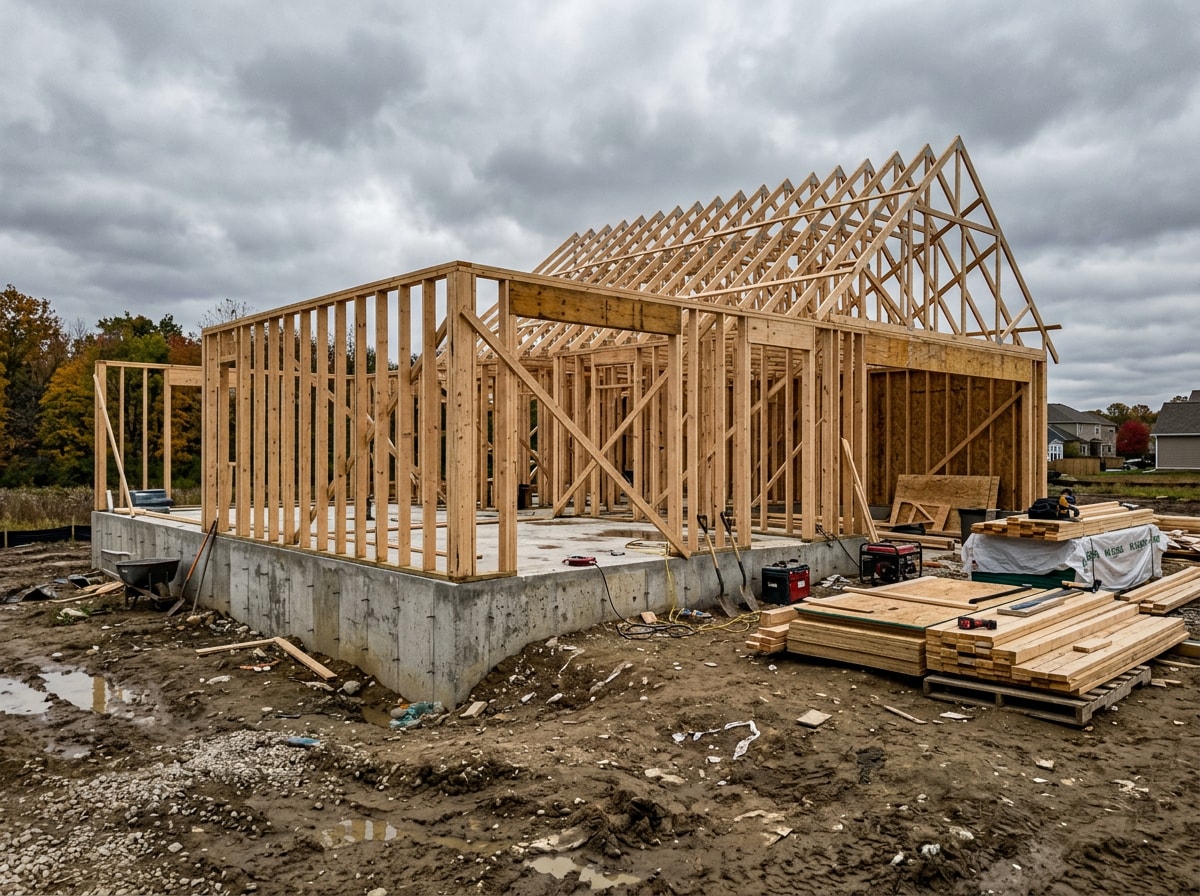
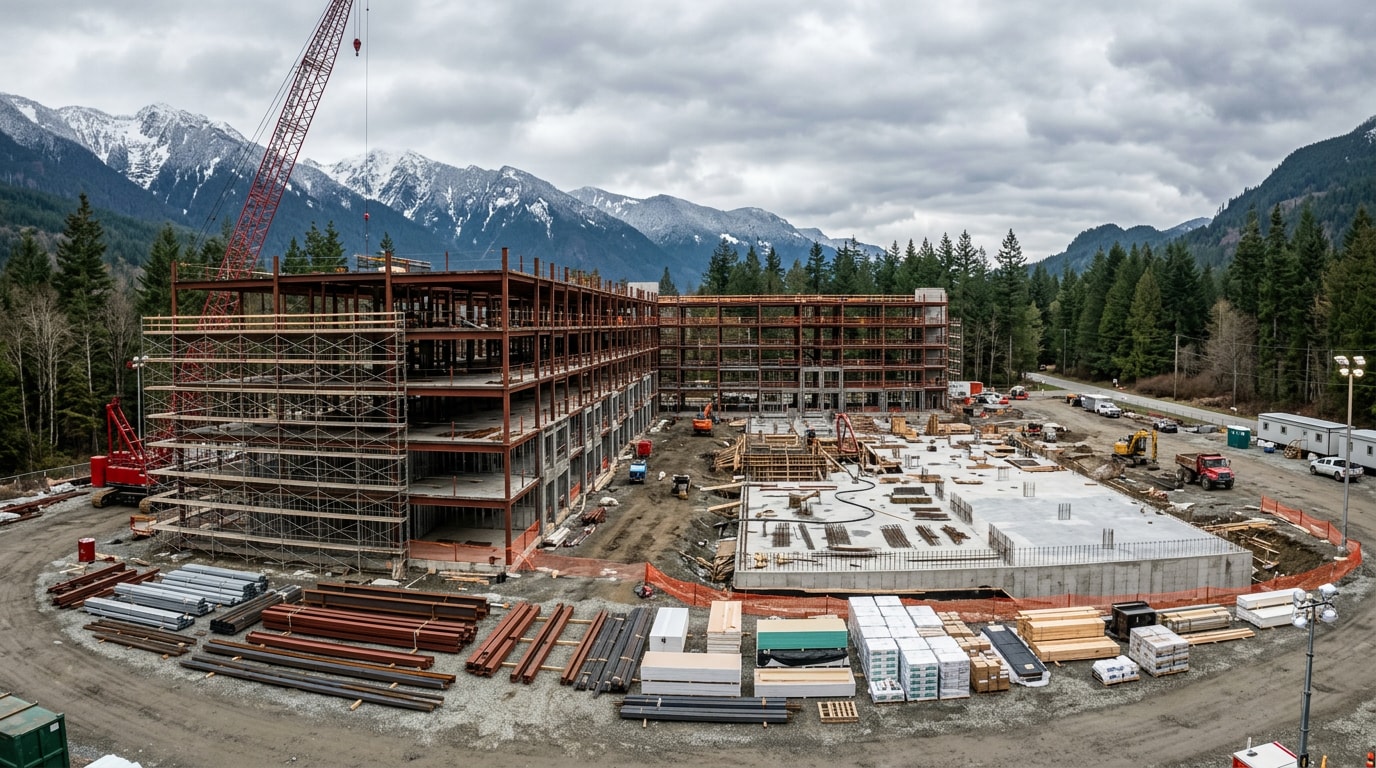
Breaking ground kicks off the visible milestones: foundation pour, framing and finishing, then mechanical rough-ins before drywall goes up. Framing is usually the point where a floor plan finally feels like a real house, even though months of interior finishing work remain. If you're curious how specialized framing crews approach this stage, our framer construction guide for Worland, WY walks through the same process used across Big Horn Basin builds.
Exterior finishing (siding, roofing, windows) typically wraps up around the same time interior trim and fixtures go in, bringing the build toward a final walkthrough. A builder running project management across every trade is what keeps these overlapping milestones from colliding.
How Long Does It Take to Build a Custom Home in Wyoming?
Custom homes in Wyoming commonly run 8 to 18 months from groundbreaking to move-in, depending on size, design complexity, material availability, and winter weather delays. Larger or more detailed homes sit at the higher end of that range.
In a small market like Greybull, booking a builder early matters more than buyers expect. Local crews often book out months in advance, and a timeline you assume will start quickly can get pushed back simply because no one was available to start sooner.
Mistakes to Avoid When Building a Custom Home
Avoidable missteps are often the real difference between a build that finishes on time and on budget, and one that doesn't.
Rushing Through the Design Process
Skipping time in the design phase to "get started faster" tends to backfire. Missed details surface mid-construction, and fixing them through change orders almost always costs more than catching them on paper.
Building Ultra-Trendy Spaces
Chasing whatever's trending in finishes and layouts can make a home feel dated within a few years. Timeless choices, like simpler cabinetry lines and neutral palettes, tend to protect resale value down the road.
Key Questions to Ask a Builder
Before signing with anyone, ask:
- Are you licensed and insured for new residential construction in Big Horn County?
- Have you built on lots with similar soil, slope, or access conditions to mine?
- What's a realistic timeline given your current schedule?
- How are change orders priced and approved?
- How familiar are you with Big Horn County's permitting process and rural site conditions?
Vetting a builder this way upfront avoids most of the disputes that surface later. You can see completed work on past builds through our project gallery before you decide who to trust with the rest of it.
Red Rock Constructions is a licensed general contractor building new custom homes, handling site preparation, concrete foundation work, and framing across Big Horn County, including Greybull, Cody, and Powell. If you'd rather talk through your lot and budget directly than keep researching, get a free estimate and we'll walk you through what your specific parcel actually needs.
FAQ
Do I Need a Permit to Build a New Home in Big Horn County?
Yes. A Development Application with a $30 fee is required for any new construction in unincorporated Big Horn County, and submitting the form does not by itself grant permission to start; the county still has to issue the permit. If your lot needs a septic system, that's a separate $150 application. Confirm requirements directly with Big Horn County's Land Planning Department since floodplain or airport-zone restrictions can add extra steps.
How Do I Stay On Budget?
Set a contingency fund of 10-15% before construction starts, then review actual spend against your estimate at each phase rather than waiting until the end. Catching overruns early gives you room to adjust finishes before it's too late to matter.
Is It Cheaper to Buy Land and Build a House in Wyoming?
Not always. Raw land often looks cheaper upfront, but well drilling, septic systems, grading, and utility extension can quietly offset those savings. A full cost comparison should include every site-prep line item, not just the land price itself.
What Should I Do Before Making an Offer on Land in Wyoming?
Confirm zoning, legal access, and any deed restrictions before offering on a lot. A land feasibility check, including a septic perc test, can reveal issues that aren't visible from a drive-by viewing.
How Long Does It Take to Build on Raw Land in Wyoming?
Building on raw land takes longer than building on a prepared lot, since site evaluation, well and septic feasibility, and permitting all have to happen before construction can even begin. Skipping a feasibility check upfront tends to stretch the timeline further, since unexpected site issues often surface mid-process instead of before you've committed.