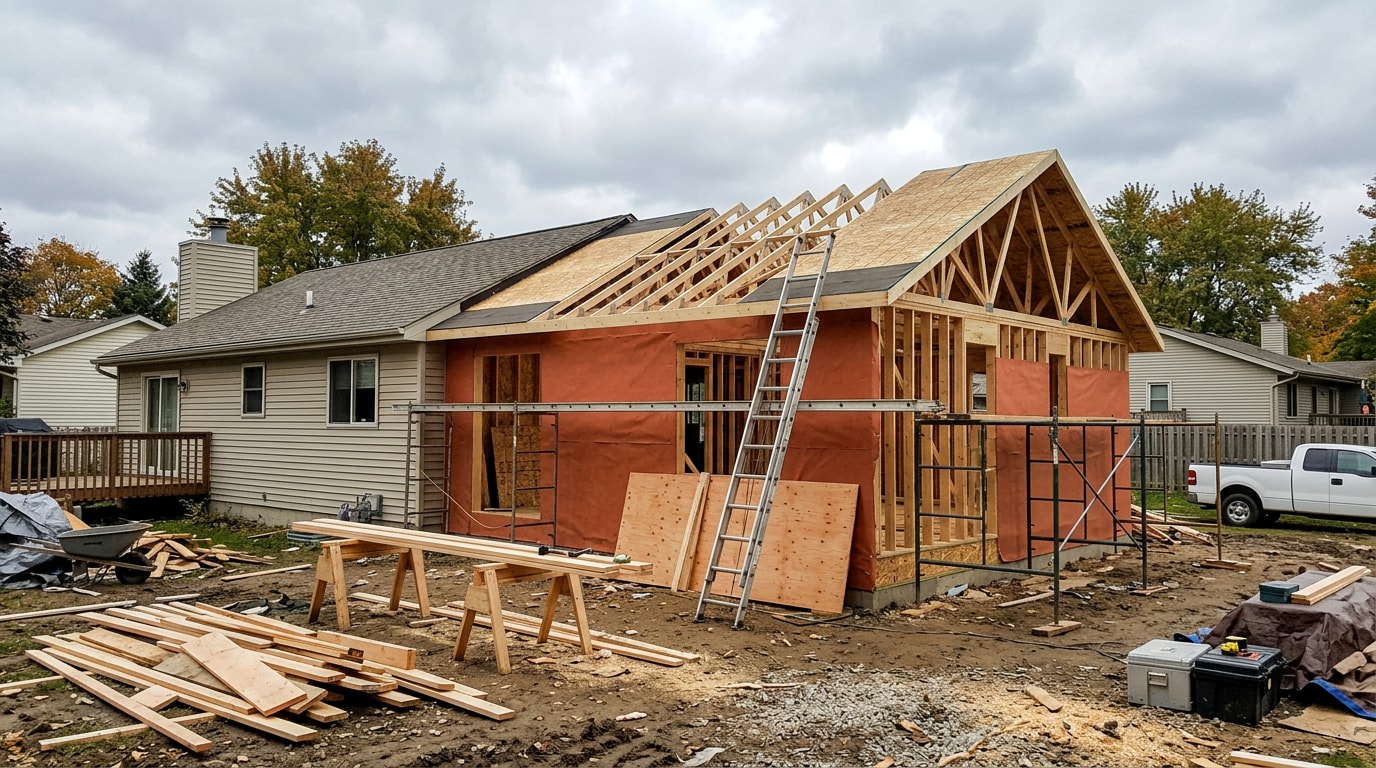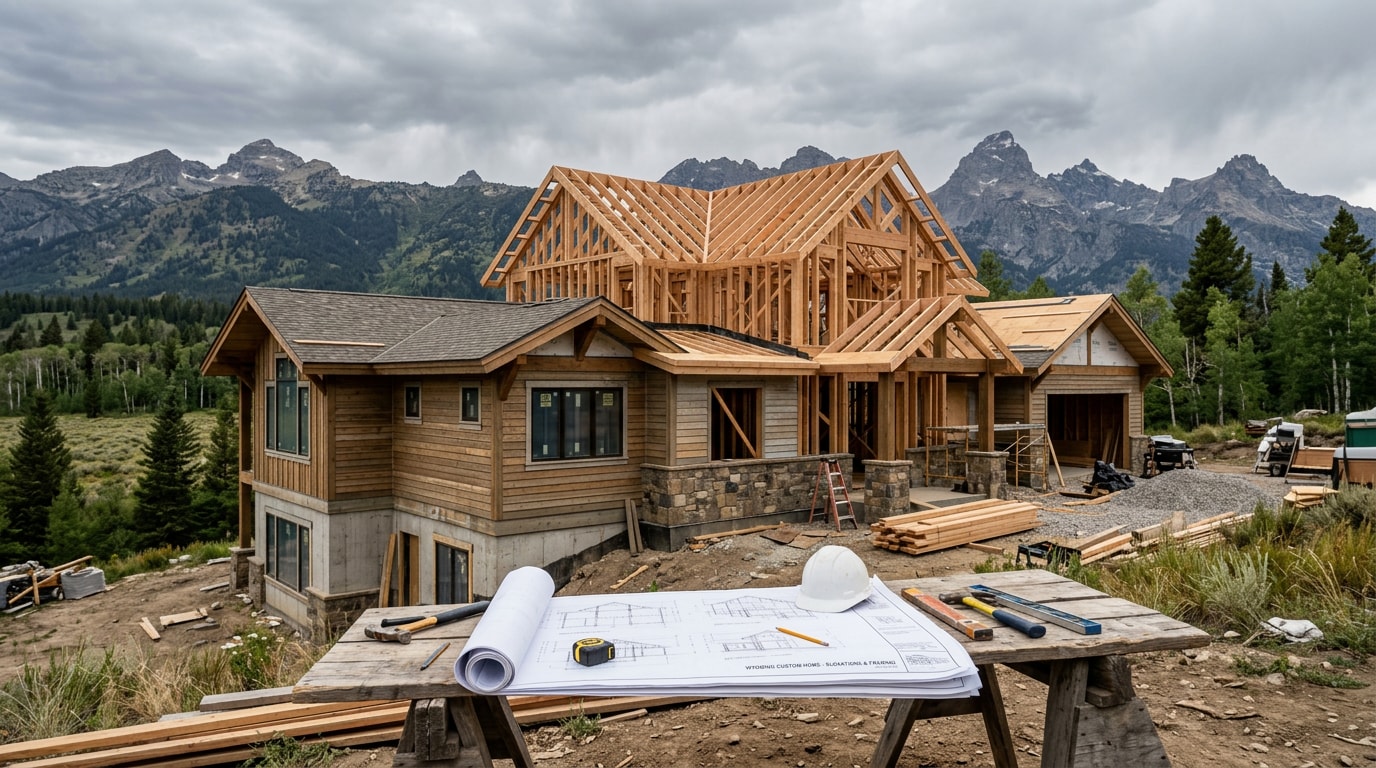
General contractor tools fall into three layers on every job site: hand tools, power tools, and the software running behind the scenes. Knowing which layer a tool belongs to turns a confusing shopping list into a clear plan. This guide breaks down each layer, flags what's worth buying versus renting, and shows exactly where digital tools now fit into a modern GC's day.
Red Rock Constructions has outfitted crews across the Bighorn Basin and south-central Montana, and the tool recommendations below reflect what actually earns its keep on those job sites, not a generic retailer list.
What Are General Contractor Tools?
General contractor tools are the equipment and software a GC relies on to plan, build, and manage a project from start to finish. They span four broad categories: hand tools, power tools, storage and organization gear, and digital tools.
Each category serves a different purpose on the job.
- Hand tools cover manual, no-battery items like tape measures and wrenches.
- Power tools are the cordless and corded equipment that speed up repetitive tasks like drilling, cutting, and fastening.
- Storage gear keeps all of it organized and secure between jobs.
- Digital tools such as scheduling apps, estimating software, and time tracking have become just as essential as a drill over the last decade.
The rest of this guide walks through each layer in order, starting with the tools every GC touches daily. For a broader look at how these tools support day-to-day project work, see our general contractor services overview.
Core Hand Tools Every General Contractor Needs
Core hand tools are the non-negotiable, daily-use layer every GC carries regardless of trade or specialty.
They don't need charging, they rarely break, and they handle the small tasks that come up on every single job. Think of them as the foundation everything else builds on.
General contractor hand tools generally fall into two functional groups: items for measuring and laying out work, and items for cutting or fastening materials.
Measuring, Cutting, and Fastening Tools
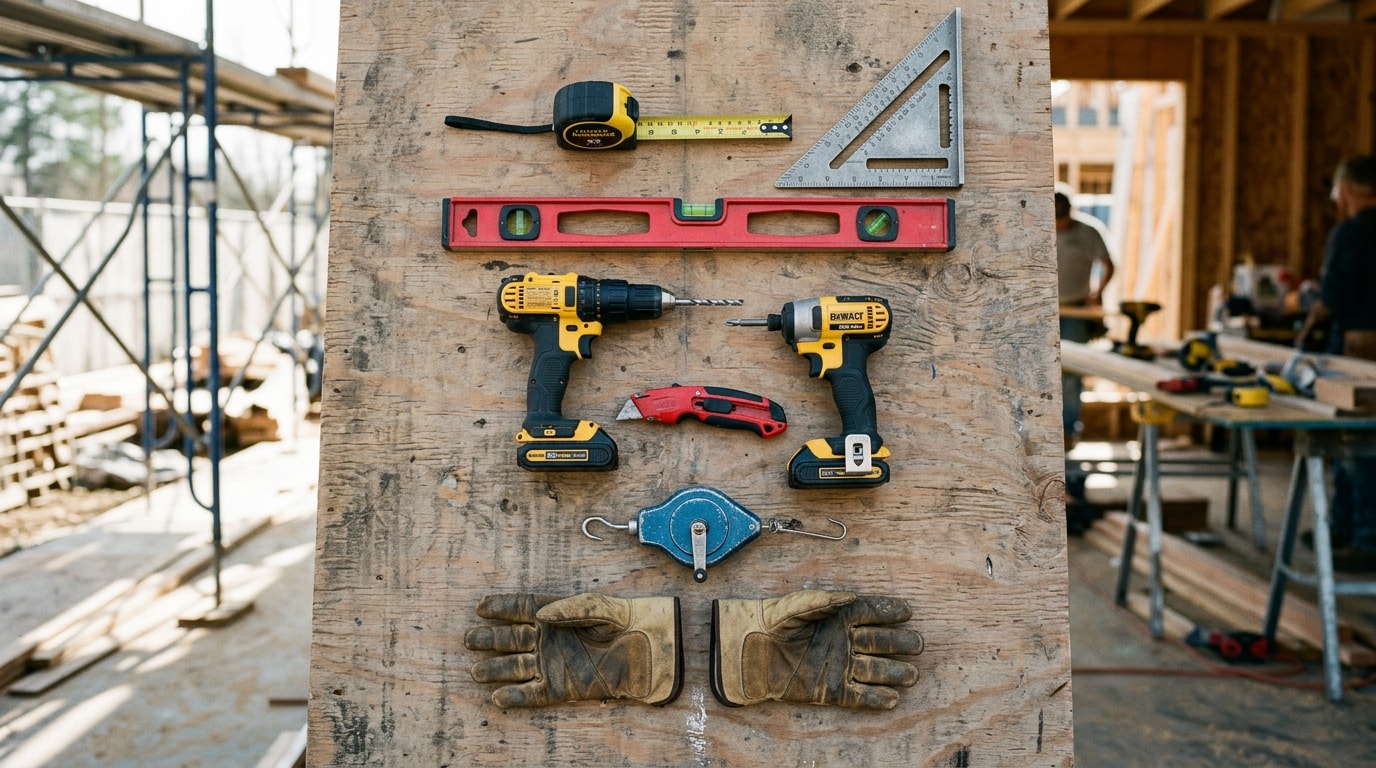
A solid measuring and layout kit starts with:
- A tape measure (25-foot models are the GC standard)
- A speed square for quick angle checks
- A torpedo or framing level
- A chalk line for marking long straight runs
These four items handle the bulk of layout work on a typical remodel or new build.
On the cutting and fastening side, a utility knife, a set of chisels, a couple of quality screwdrivers, and an adjustable wrench or pair of channel-lock pliers cover most daily needs.
None of these tools are glamorous. But a dull chisel or a worn-out wrench slows down every task that touches it. Buying mid-to-upper-tier versions of this group pays off quickly in reduced frustration and fewer callbacks to the truck.
Essential Power Tools for General Contractors
Once the manual layer is covered, power tools take over the repetitive, physically demanding work. Cordless tools in particular have become the default for most jobsite power tools, since they eliminate cord management and let crews move freely between rooms or floors.
Drills and Impact Drivers
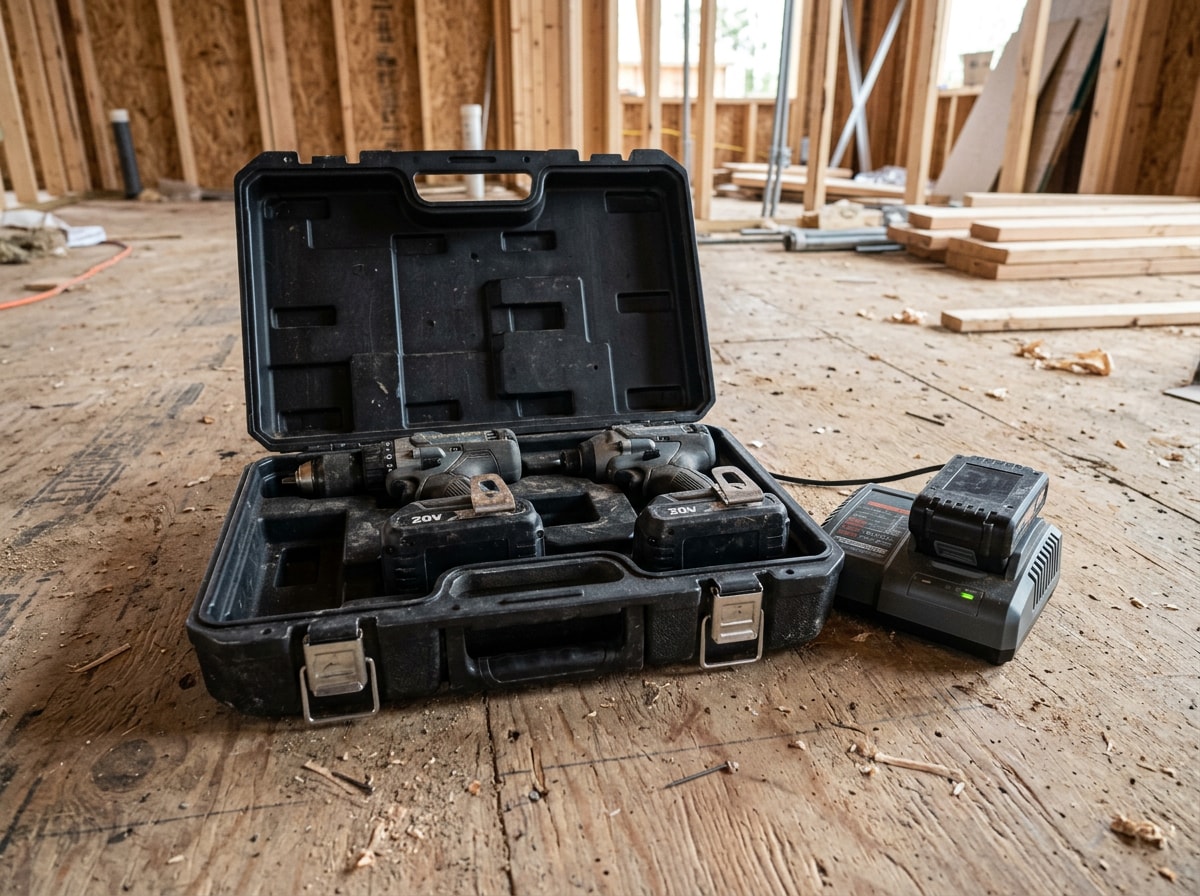
A cordless drill and impact driver sharing one battery platform are the most-used power tool pairing on a general contractor's truck. They handle everything from cabinet installs to deck screws and concrete anchors. The drill excels at drilling clean holes; the impact driver delivers higher torque for driving long fasteners without stripping heads.
Battery platform choice matters more than brand loyalty alone. Here's a rough 2026 snapshot of what the leading platforms typically offer:
| Brand Platform | Voltage | Typical Runtime (5.0Ah) | Max Torque (Impact Driver) | Approx. Combo Kit Price |
|---|---|---|---|---|
| Platform A (18V/20V) | 18–20V | 45–60 min moderate use | ~1,800–2,200 in-lbs | $250–$320 |
| Platform B (18V) | 18V | 40–55 min moderate use | ~1,700–2,100 in-lbs | $230–$300 |
| Platform C (20V MAX) | 20V | 45–60 min moderate use | ~1,900–2,300 in-lbs | $260–$340 |
Pricing and runtime vary by retailer and specific model year, so treat these as planning ranges rather than exact quotes. Check the manufacturer's official documentation for verified voltage and runtime specs before buying.
Our crews standardize on one battery platform per truck for exactly this reason. Swapping brands mid-project means carrying two chargers and twice the batteries, which is a hassle nobody needs on a tight schedule.
Tool condition matters as much as the model you pick. OSHA's construction standards require that all hand and power tools and similar equipment, whether furnished by the employer or the employee, be maintained in a safe condition , so routine inspection belongs in every GC's tool safety standards checklist.
Best General Contractor Tools and Equipment (by Trade)
Many GCs sub out specialty trade work, but having a basic kit on hand saves trips when a quick fix comes up mid-project. Here's what each trade typically requires:
- Plumbing tools: pipe wrench, channel locks, pipe cutters
- Electrical tools: multimeter, voltage tester, wire strippers
- HVAC tools: refrigerant gauge, temperature gauge
- Painting tools: roller kit, scrapers, heat gun
Owning a light version of these trade-specific tools doesn't replace licensed subs for code-regulated work like electrical panels or gas lines. It just covers the minor adjustments and touch-ups that happen constantly on active sites. For larger trade-specific scopes, our project management services coordinate vetted subcontractors rather than stretching an in-house kit too thin.
Heavy Equipment: Buy or Rent?
Heavy equipment such as backhoes, bulldozers, excavators, loaders, tractors, trenchers, and skid steers is where the buy-versus-rent decision gets expensive fast. Most GCs rent for occasional earthwork or site prep and reserve ownership for equipment used on nearly every project.
The skid steer is the standout exception. Its attachment versatility (buckets, forks, augers, trenchers) makes it genuinely useful across multiple job types, which is why it's the piece of heavy equipment most contractors eventually consider owning outright.
Operating any of this equipment also comes with training expectations. OSHA doesn't issue a license for heavy equipment operators, but it does require that employers instruct each employee in the recognition and avoidance of unsafe conditions, and permit only trained and competent employees to operate a powered industrial truck . Review current equipment-specific requirements before putting anyone new behind the controls, and lean on our site preparation team when a project calls for grading or earthwork you'd rather not staff and insure in-house.
Tool Belts, Storage, and On-Site Organization
Carrying and storing tools are two separate problems that deserve separate gear.
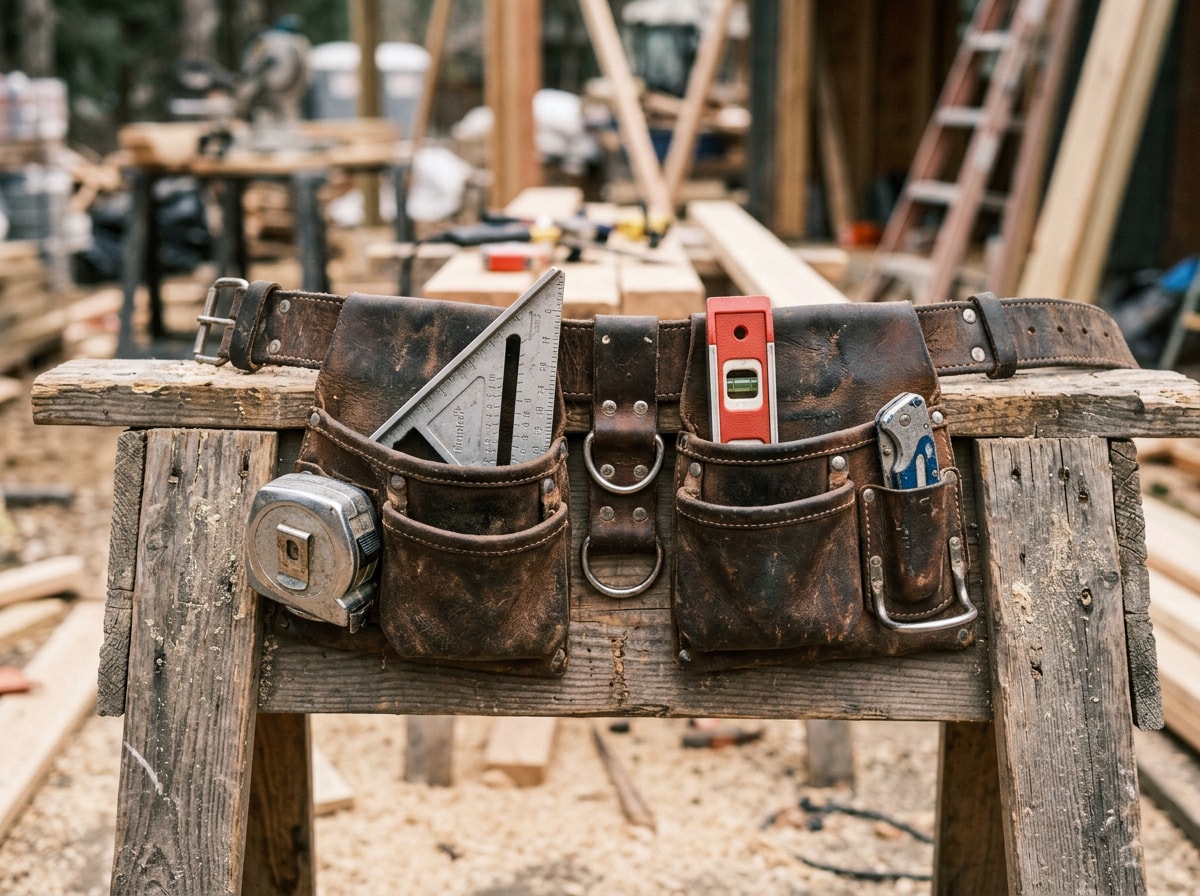
A tool belt or suspension rig keeps your daily-use items on your body, cutting down on trips back to the truck for a tape measure or screwdriver.
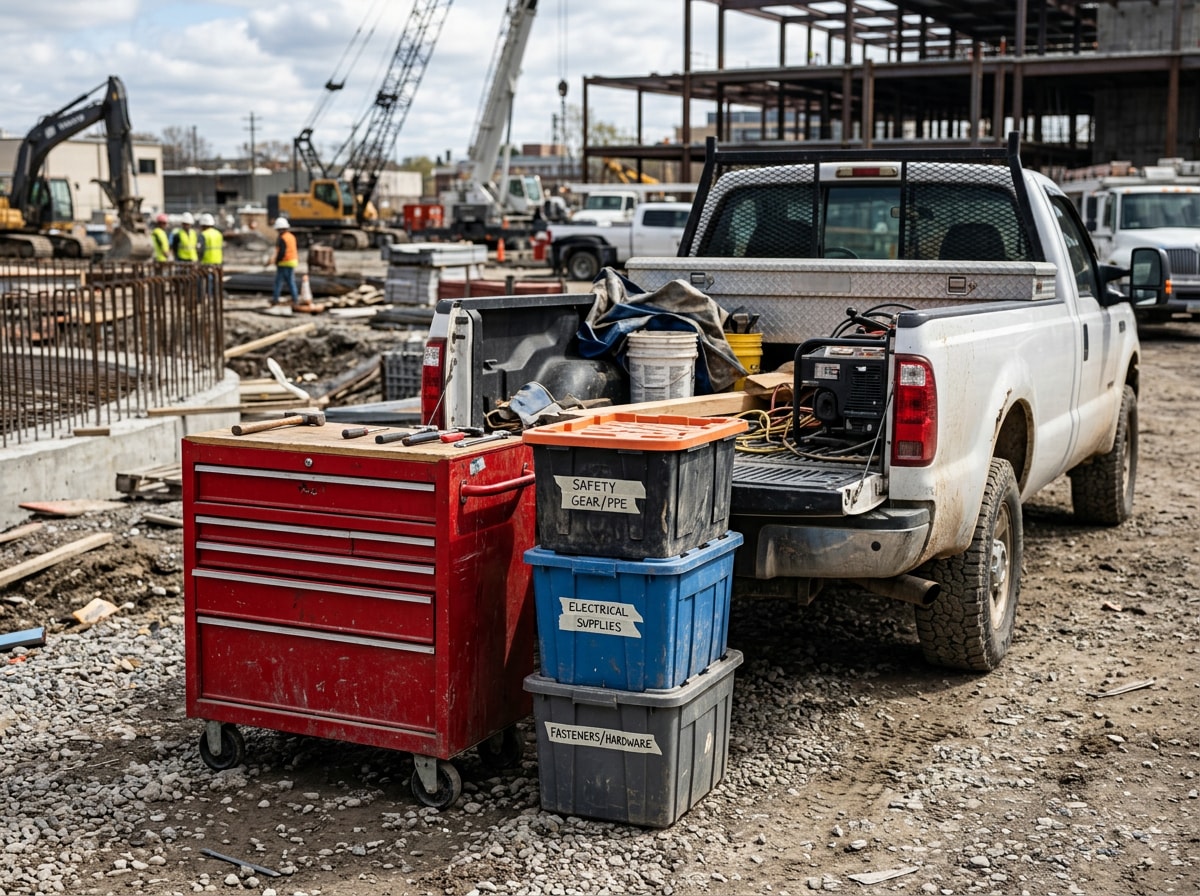
Jobsite storage is the second layer. Rolling tool boxes, labeled bins, and lockable job boxes keep larger or shared equipment organized and protected from weather or theft between visits. Good jobsite organization isn't just convenience. It directly reduces lost-tool replacement costs over a year of active projects.
Top Tools Most Contractors Wish They Had Sooner
A few less obvious tools consistently show up on "wish I'd bought this sooner" lists.
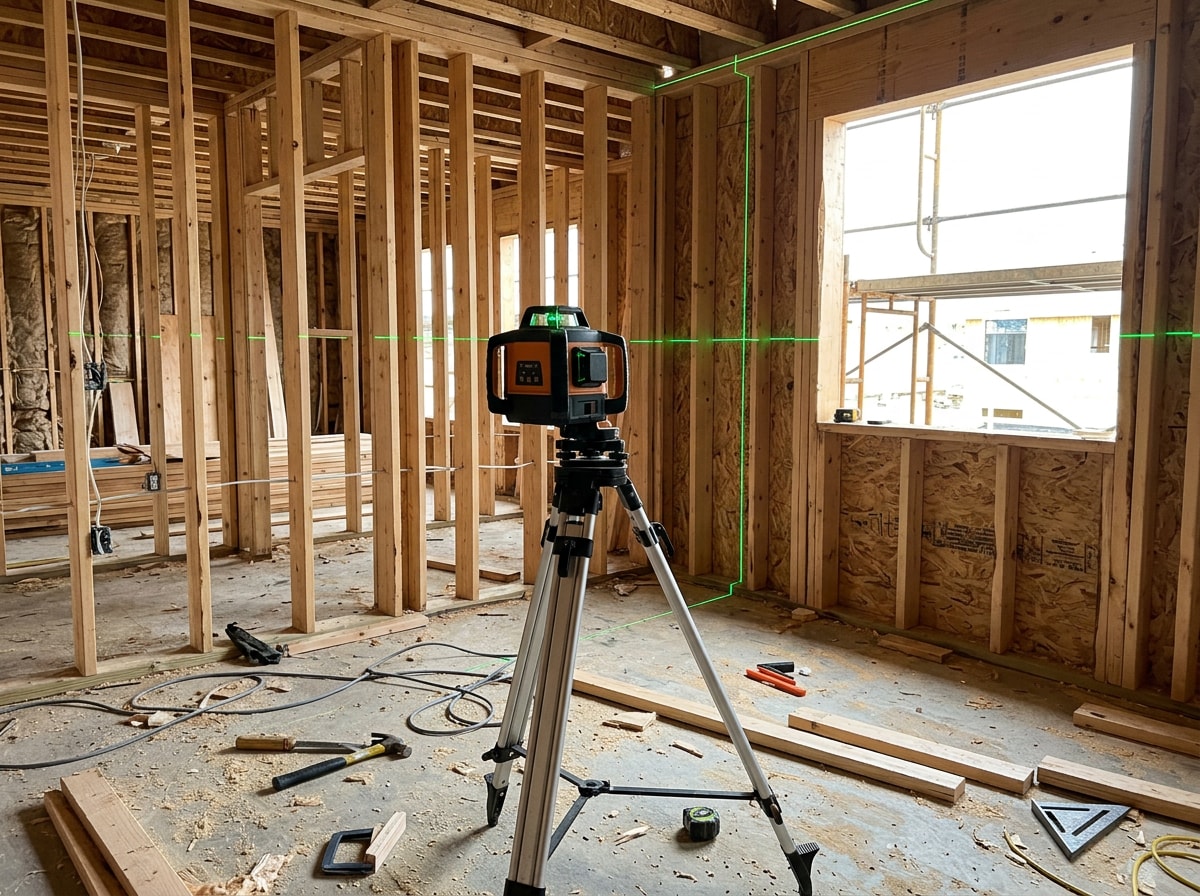
A laser level speeds up layout work far beyond what a bubble level can do, especially for long runs or multi-room projects.
A concrete moisture meter prevents costly flooring failures by confirming slabs are dry enough before installation. ASTM's F2170 standard covers the quantitative determination of percent relative humidity in concrete slabs for field or laboratory tests , and most flooring manufacturers reference it for warranty compliance. If a project involves new slab work, our concrete foundation work crews build moisture testing into the schedule before flooring ever goes down.
A secure job site box protects higher-value tools overnight, and asset-tracking tags or software for tool tracking cut down on the slow bleed of tools that quietly disappear from busy sites.
None of these are essential on day one. Each pays for itself within a job or two once a contractor starts using it regularly.
Digital Tools and Software for General Contractors
Digital tools now sit alongside hand and power tools as standard GC equipment, handling the planning and paperwork side of a project. Rather than naming apps, it's more useful to compare what each software category actually does best:
- Project management software: scheduling, daily logs, photo documentation, and client updates in one place
- Estimating and invoicing tools: faster, more accurate quotes and streamlined billing cycles
- Time tracking apps: crew hours logged by job, reducing payroll disputes and improving job-cost accuracy
- Asset tracking software: GPS or tag-based tracking for tools and equipment across multiple sites, directly addressing the tool-loss problem above
Some platforms now fold AI-assisted scheduling or budgeting into these categories, flagging potential delays or cost overruns before they become serious problems. Coverage varies a lot by product maturity, so treat AI features as a bonus rather than the deciding factor.
Software is also where the line between a general contractor's role and a project manager's role gets blurry on paper. If you're trying to sort out who actually owns scheduling and budget decisions on your project, our breakdown of general contractor vs. project manager responsibilities walks through where each role starts and stops.
Building Your General Contractor Tool List
A practical rule of thumb: buy quality where a tool sees daily use, and rent specialty equipment needed only occasionally. This keeps capital free for the gear that actually earns its keep week after week.
Tool spending should also track realistic income expectations. The U.S. Bureau of Labor Statistics reported a median salary of $106,980 for construction managers in 2024 , though actual earnings vary widely by region, project size, and whether a contractor works independently or for a firm. Budget tool purchases as a percentage of annual revenue rather than a fixed dollar figure, and revisit that budget yearly as the business grows.
If you're weighing a build and want a real number before you commit to a scope, get a free estimate from our team before you start outfitting a crew for it. We can also walk you through our completed projects to see what kind of tooling and crew size a job your size actually requires.
FAQ
What tools do general contractors use?
General contractors use a mix of hand tools (tape measures, levels, wrenches), power tools (drills, saws, impact drivers), and increasingly digital tools for scheduling, estimating, and tracking equipment. The exact mix depends on the trades a GC personally handles versus subs out to specialists.
What tools does a general contractor need?
At minimum, a GC needs core measuring and cutting hand tools, a cordless drill and impact driver, a circular saw, and a tool belt to carry daily-use items. Some employers supply larger power tools, so expectations around what you need to personally own vary by job and company.
What brand of tools do contractors use?
Contractors tend to gravitate toward a handful of leading cordless-tool brands known for durability and wide battery-platform compatibility. Once a contractor invests in one platform's batteries and chargers, staying within that ecosystem for future tool purchases saves money and reduces the number of chargers needed on-site.
Do general contractors supply their own tools?
It depends on the employer. Many companies provide major power tools and heavy equipment but expect crew members to bring their own hand tools and tool belt. Independent GCs running their own crews typically own both layers outright.
How much should I budget for a general contractor tool kit?
There's no single number that fits every trade or region. A more useful approach is budgeting tool purchases as a set percentage of annual revenue, buying quality where a tool sees daily use, and renting specialty or heavy equipment needed only occasionally.