
A general contractor for hire manages every trade on your project, but not every GC on the market is licensed, insured, or honest about pricing. This guide covers exactly what to check before you sign anything, what a fair 2026 fee looks like, and the red flags that separate a professional build from a costly mistake.
What a General Contractor for Hire Actually Does
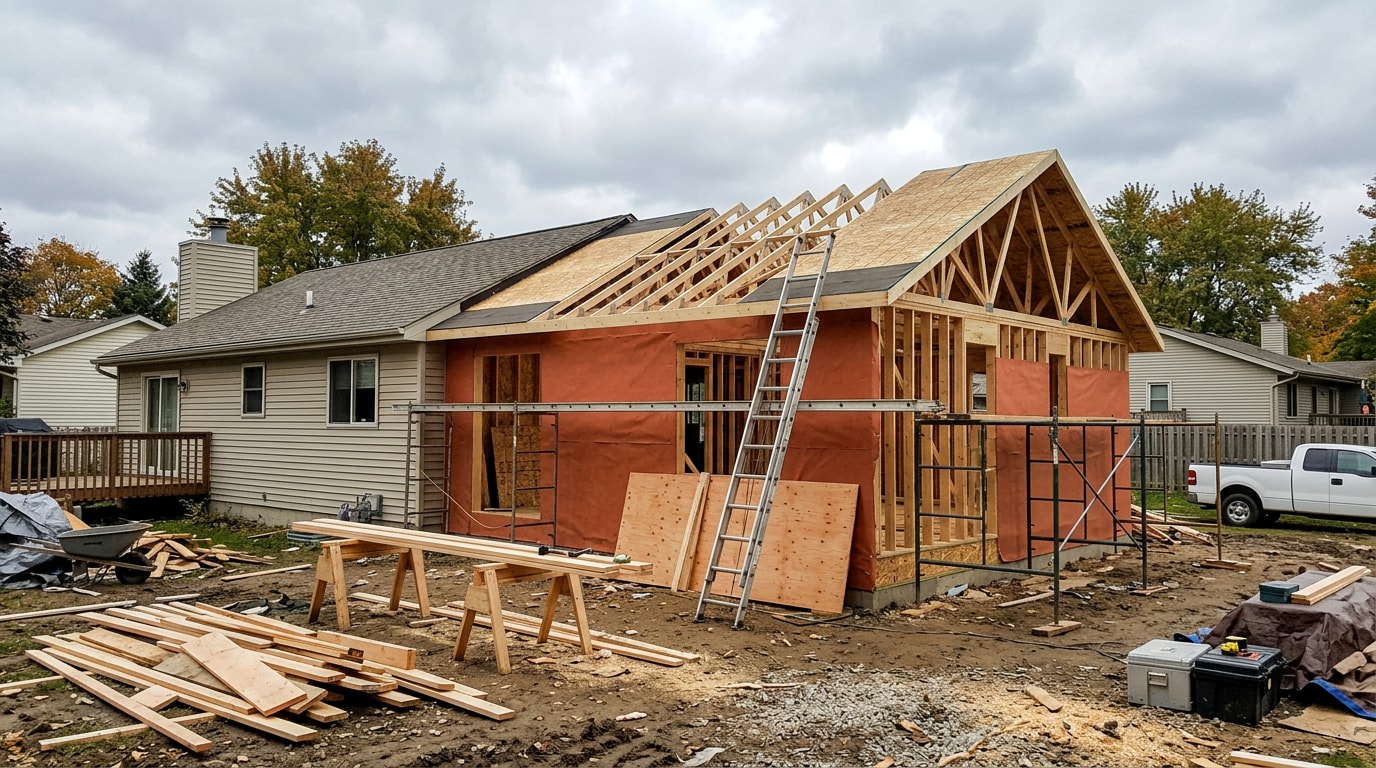
A general contractor coordinates every trade on a project, so hiring one means getting an entire team working under a single point of contact: plumbers, electricians, framers, roofers, and finish crews. That's the core value of hiring a GC instead of managing subcontractors yourself. One person owns the schedule, the quality control, and the communication across a dozen moving pieces at once.
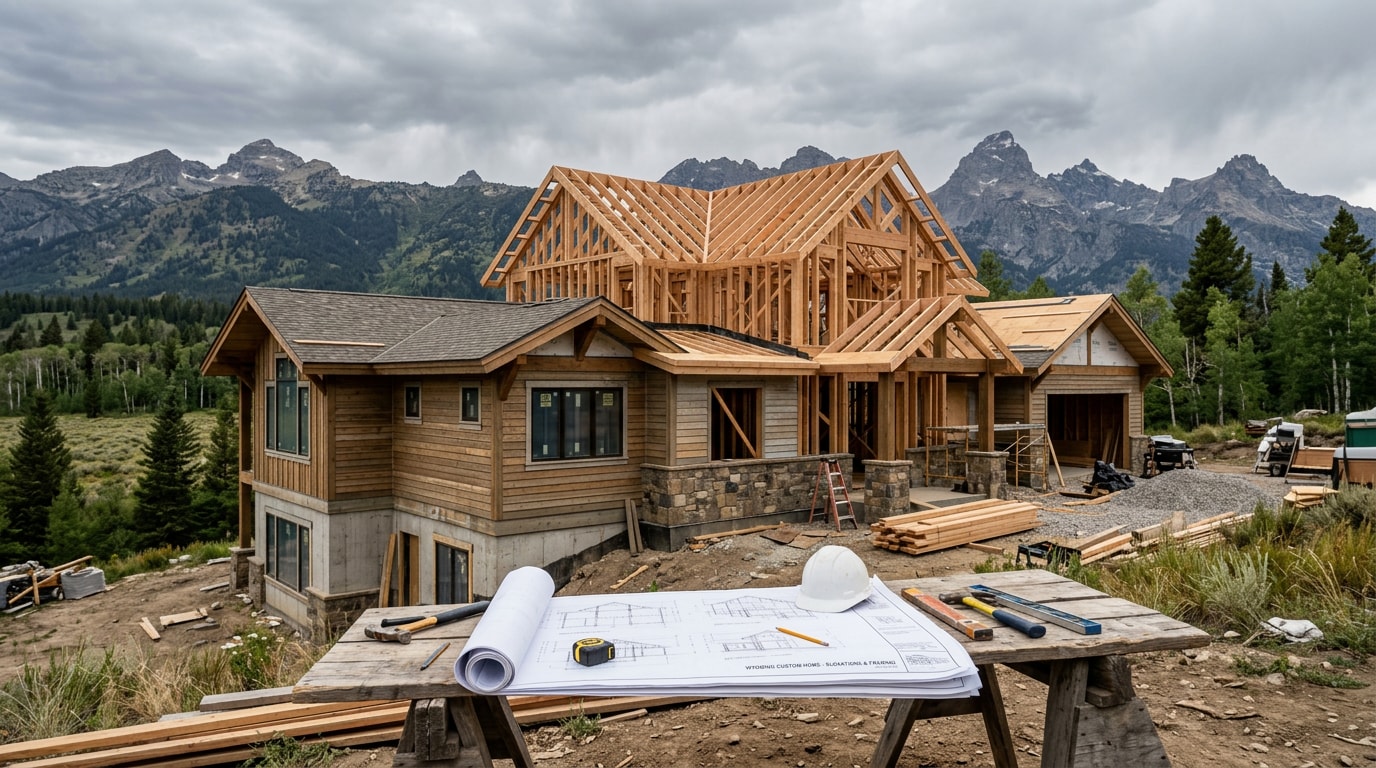
Some firms handle the full range, from ground-up builds to commercial tenant improvements. Others specialize narrowly, sticking to kitchens or roofing alone. Knowing what you need before you start interviewing candidates saves weeks of back-and-forth. Explore our general contractor services to see the full range of project types we handle, including new construction and residential remodeling.
How to Find and Vet a General Contractor for Hire
This is where most hiring mistakes, and most good outcomes, actually happen. Finding a name is easy. Confirming that name belongs to a legitimate, capable crew takes a few extra steps most homeowners skip.
Where to Look
Start with referrals from friends, neighbors, or your real estate agent, then cross-check candidates against online directories and reviews. Reviews skew toward extremes, very happy or very frustrated, so read a range instead of just the top result. Browse our completed projects to see finished work before you request a quote.
Questions to Ask Before You Hire
During the interview, ask:
- How long has the company been in business, and do they carry current insurance?
- Have they completed a similar project recently, and can they show it?
- Who will be on-site daily, and how are subcontractors managed?
- What permits does this project require, and who pulls them?
A kitchen remodel specialist isn't automatically qualified for structural additions, so match their recent work to your scope.
Check References, Past Work, and Quotes
Call at least two or three references and ask specific questions: how was communication, did the project finish on budget, and would they hire the same crew again. A past-project visit, in person if possible, tells you more than any portfolio photo.
Gather at least three quotes before deciding. Quality improves when you limit requests to businesses you've already screened for license and insurance, since side-by-side bids reveal which ones are realistic and which are underpricing to win the job.
License, Insurance & Bonding: The Non-Negotiables
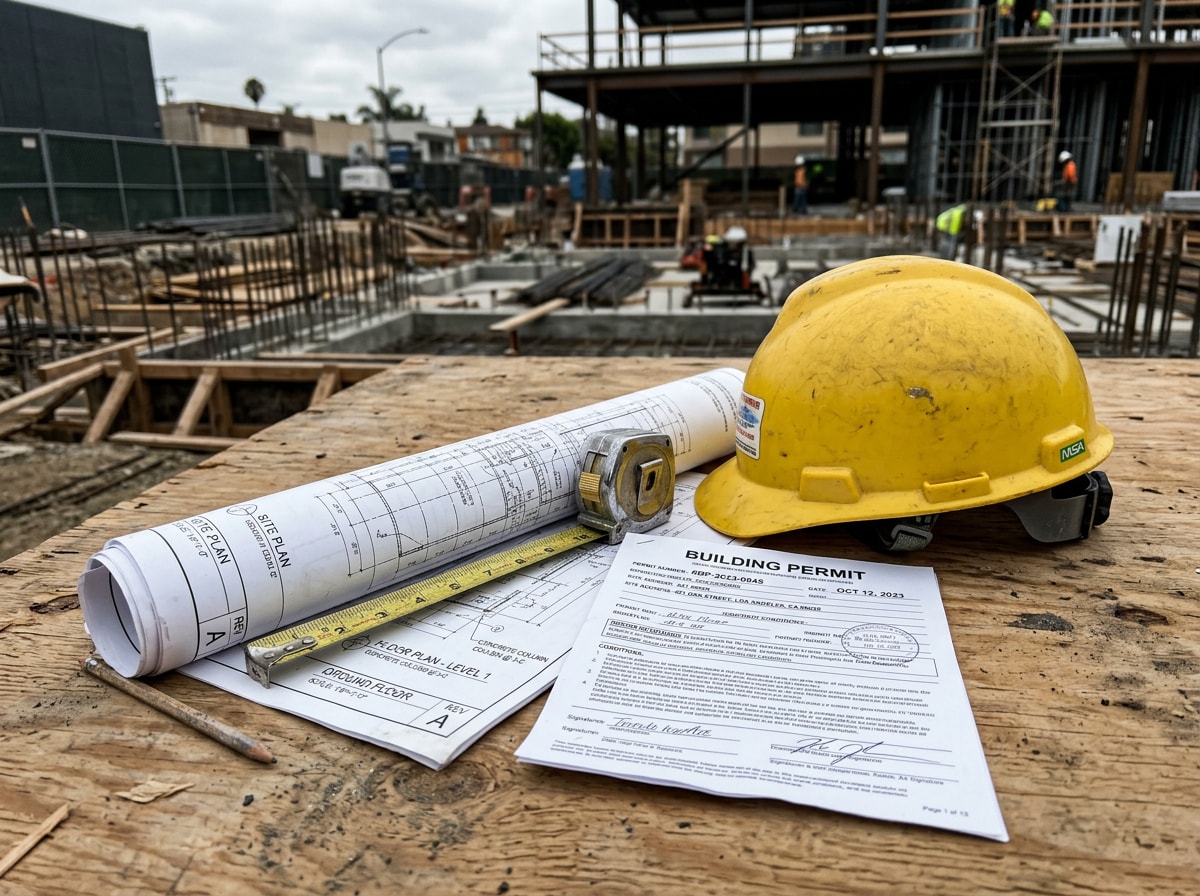
A qualified general contractor for hire should carry an active license, current general liability insurance, and a bonding certificate, plus the experience and permits required for your specific project type. Skipping this check is the single biggest risk homeowners take when hiring help.
| Factor | Licensed & Insured GC | Unlicensed Handyman |
|---|---|---|
| Liability if someone's injured | Covered by general liability insurance | Falls on homeowner |
| Permit compliance | Pulls permits, passes inspections | Often skips permits entirely |
| Recourse if work fails | Bond/insurance claim, license board complaint | Little to no legal recourse |
Licensing thresholds vary by state and project value, so confirm current rules before signing anything rather than taking a business card at face value. The National Association of State Contractors Licensing Agencies maintains a directory of state licensing boards you can use to verify a license is active in good standing. Check our credentials and certifications before you schedule an estimate.
Before You Call: Scope, Budget, and Site Realities
Before contacting anyone, nail down three things: project scope, a budget range, and your desired finish level. Scope means knowing which rooms are touched and what changes, including details like moving a sink or shifting an appliance layout. A budget isn't an exact number; it's a range that helps a contractor quickly tell you whether the project fits their business.
If your home was built before 1978, flag that early. Under EPA's Lead Renovation, Repair and Painting Rule, firms performing work that disturbs paint in homes built before 1978 must be certified and use trained renovators who follow lead-safe work practices , and not every contractor holds that certification.
One wrinkle most national hiring guides skip: a short building season. Across Powell, Cody, and the Big Horn Basin, frost and winter weather push foundation and framing work into a narrower spring-through-fall window, so a general contractor who can't realistically break ground until late spring needs that written into the schedule, not just implied in conversation. We see this timeline mismatch trip up out-of-area bids more than almost any other issue across our Powell, WY, Cody, WY, and Billings, MT service areas. If the project includes new foundation work, ask how concrete foundation work is sequenced around weather before you sign.
General Contractor Cost in 2026: Fee Models & Price Ranges
Pricing models vary since there's no industry standard, but most contractors use one of three structures.
| Fee Structure | Typical Range | Best For |
|---|---|---|
| Percentage of project cost | 10%–20% (up to 25% on complex jobs) | Most renovations and new builds |
| Fixed-price bid | Total price set upfront | Homeowners who want cost certainty |
| Cost-plus | Actual cost plus a set percentage | Projects with an evolving scope |
A general contractor fee generally covers project management, subcontractor scheduling, permit coordination, and site supervision, layered on top of materials and labor rather than replacing them. Ask which model a contractor uses and get it in writing before work starts. Request a free estimate for project-specific numbers instead of relying on a national average.
Red Flags, Payment Schedules & Contracts
Discuss payment structure before any work begins. A standard schedule ties installments to completed milestones, not a lump sum at signing. If a contractor asks for full cash payment upfront, treat that as a serious warning sign.
Watch for these red flags during the budget conversation:
- Requests for full payment, or payment in cash only, before work starts
- Reluctance to put the payment schedule or scope in writing
- No fixed business address or inability to produce a license number on request
- Pressure to sign immediately or a discount that expires "today only"
The FTC's consumer guidance on hiring a contractor offers advice to help you choose a contractor, pay wisely, and handle problems along the way , and that advice holds up well a decade later: never pay the full amount before work is finished. A written contract should spell out scope, start and completion dates, the payment schedule, and what the contractor will and won't do.
What to Do If a Contractor Project Goes Wrong
Even a well-vetted contractor can hit snags: missed timelines, communication gaps, or disputes over finish quality. Address issues early with a direct conversation and a written summary of what was agreed versus what was delivered.
If communication breaks down, escalate in writing and reference your contract terms. For unresolved disputes, local licensing boards and consumer protection offices can mediate or investigate complaints. If you're trying to decide whether your project needs a hands-on GC or a dedicated project manager to get back on track, our breakdown of a project manager vs. general contractor walks through the difference. Reach out to our team if you need a second opinion on a project that's gone off track.
Our crews have handled remodels and new builds across Sheridan, WY, Red Lodge, MT, and Worland, WY, and the hiring mistakes that cause the most damage, skipping license checks, vague contracts, and unrealistic weather timelines, repeat every season. Start with Red Rock Constructions if you want a team that plans around that reality instead of around a generic national quote.
FAQ
How much does it cost to hire a general contractor?
A general contractor for hire typically costs 10%–20% of total project value under a percentage-fee model, while fixed or day-rate arrangements depend on scope and region. Request a quote for project-specific pricing.
Do I need a general contractor for my project?
If your project involves multiple trades, structural changes, or permit requirements, a general contractor is usually worth the cost. Single-trade jobs, like repainting a room, rarely need one.
What's the difference between a general contractor and a specialty contractor?
A general contractor manages the whole project and coordinates every trade involved. A specialty contractor, like an electrician or roofer, installs one specific product or system and typically doesn't manage other subcontractors.
Do general contractors do the hands-on work themselves?
Sometimes, but usually not on larger jobs. A GC typically manages and supervises subcontractors who perform the specialized trade work, while handling scheduling, permits, and quality control directly.
Should I sign a contract with my general contractor?
Yes. A written contract protects you if something goes wrong, outlining scope, payment schedule, and timeline so both sides have clear expectations in writing.
How do I know if a contractor is trustworthy?
Verify their license and insurance, check multiple references, and compare at least three quotes. A trustworthy contractor welcomes this scrutiny rather than rushing you past it.